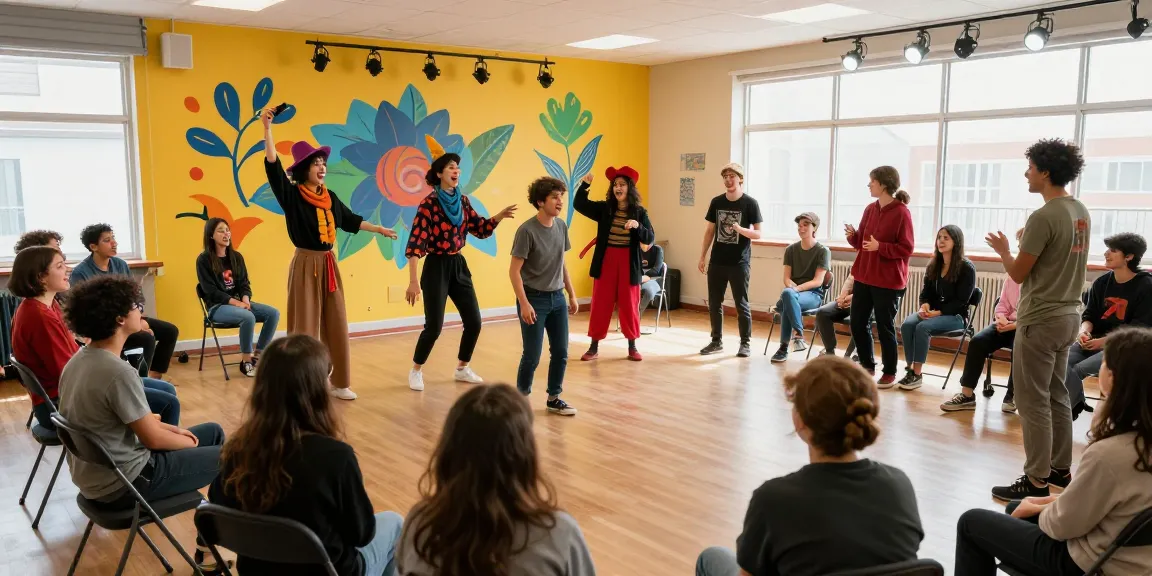
Understanding Improv: A Foundation for Beginners
Improvisational theater, or improv, is an artistic form that thrives on spontaneity and creativity. For beginners, diving into the world of improv can seem daunting, but it offers an invaluable toolkit that can enhance not only performance skills but also everyday interactions. Whether you're looking to overcome shyness, enhance your communication skills, or simply have fun, understanding the basics of improv sets a strong foundation for your journey. When exploring options, improv for beginners provides comprehensive insights to get started.
What is Improv and Why It Matters?
Improv is a form of live theater where most or all of what is performed is created spontaneously by the performers. This genre emphasizes creativity, spontaneity, and collaboration. Unlike scripted performances, improv relies on immediate reactions and interactions, making each performance unique. It matters because it fosters essential skills such as adaptability, communication, and teamwork, which are valuable not only on stage but also in personal and professional life.
Key Principles of Improv for New Learners
- Yes, And: This fundamental rule encourages acceptance and building upon ideas, fostering collaboration among performers.
- Active Listening: Improvisers must listen closely to their scene partners, allowing for thoughtful responses that enhance the collective storytelling.
- Letting Go of Perfection: Improv thrives on mistakes, which can lead to unexpected and often delightful outcomes.
- Embrace Spontaneity: Impulsiveness is celebrated; trusting your instincts can lead to the best moments on stage.
Common Misconceptions About Improv
Many beginners believe that improv requires inherent talent or comedic skill, leading them to shy away from trying it. However, improv can be learned and improved through practice. Another misconception is that all improv is comedy; while humor is a significant aspect, improv can be performed in various tones, including dramatic and serious narratives. Finally, some may think it’s solely about performance, overlooking the personal growth and confidence-building benefits that come with participation.
Getting Started with Improv Techniques
For newcomers, the initial step into improv can be an exciting yet intimidating experience. To ease into the craft, understanding foundational techniques is essential. There are numerous exercises specifically designed for beginners that can help develop skills and confidence.
Essential Exercises for Beginners in Improv
Practicing improv requires engaging in specific exercises that build core skills. Here are a few to get started:
- Freeze Tag: In this game, players start a scene, and any performer can yell "freeze," then take the place of a person in the scene and create a new one, encouraging creativity and adaptability.
- Word Association: Participants form a circle and say a word in response to the previous word, promoting quick thinking and connectivity.
- One Word at a Time Story: Players create a story by contributing one word at a time, fostering collaboration and narrative skill development.
Building Confidence Through Improv Practices
Confidence in improv comes from practice and a supportive environment. Regular participation in workshops or classes allows beginners to take risks without the fear of judgment. Emphasizing a culture of encouragement, where mistakes are seen as learning opportunities, can help participants feel safe to express themselves freely. Additionally, seeking constructive feedback from instructors and peers can guide improvement and boost confidence over time.
Improvisation Games to Enhance Creativity
Games play a vital role in improv, serving as both practice and entertainment. Engaging in different improvisation games not only hones skills but also stimulates creative thinking. Some popular games include:
- Conducted Story: One person acts as a conductor, pointing at different players to contribute lines to a story, encouraging quick thinking and engagement.
- Scene from a Hat: Players draw random scenarios from a hat and immediately act them out, enhancing spontaneity and adaptability.
- Character Switch: Players take on a familiar scene but must switch characters every few lines, fostering versatility in performance.
Joining the Improv Community
Becoming part of the improv community is an enriching experience that offers support, camaraderie, and opportunities for growth. Connecting with fellow enthusiasts enhances learning and ensures a sense of belonging.
Finding Beginner Improv Classes in Your Area
Many local theaters and community centers offer beginner improv classes. These workshops typically cater to various skill levels and provide a structured environment for learning essential techniques. Online platforms also list nearby classes, making it easier to find the right fit. Attending these classes can offer invaluable guidance and practice opportunities.
Online Resources and Communities for Aspiring Improvisers
The digital landscape is abundant with resources for those interested in improv. Websites, forums, and social media groups dedicated to improv communities can provide insights, tips, and networking opportunities. Online workshops and courses have also made it easier to learn from experienced improvisers without geographical constraints.
Networking with Fellow Improv Enthusiasts
Building connections within the improv community can open doors to collaborations and performance opportunities. Attend local shows and workshops, participate in forums, engage with social media groups, and consider joining local improv clubs to meet like-minded individuals passionate about this art form.
Advanced Improv Techniques for Future Growth
Once beginners become comfortable with the basics, they can explore advanced techniques that will enhance their performance and creativity. The following areas are essential for progression in the world of improv.
Developing Character Work in Improv for Beginners
Character work is a nuanced skill that involves creating distinct personalities for scenes. Beginners can practice this by choosing a unique trait or background for their character and building a scene around it. Workshops often include exercises focused solely on character development, allowing performers to explore depth and complexity in their portrayals.
Storytelling Skills Through Improvisation
Improvisation is a powerful tool for storytelling. Beginners can learn to weave narratives spontaneously by combining elements of character, setting, and dialogue. Story-based games can help participants structure their scenes while maintaining flexibility to adapt as the story unfolds.
Performance Tips for Beginners Taking the Stage
Stepping onto the stage can be intimidating for beginners. Here are some tips to ensure a successful performance:
- Warm-Up: Engage in physical and vocal warm-ups to prepare yourself mentally and physically.
- Stay Present: Focus on the moment and your fellow improvisers rather than stressing about perfection or audience judgment.
- Enjoy the Process: Improv should be fun. Allow yourself to embrace spontaneity and enjoy the journey of creation.
Measuring Progress in Improv Training
Tracking progress in improv can be both rewarding and enlightening. Understanding personal development areas helps performers refine skills and recognize their achievements.
Key Performance Indicators for Improv Success
While improv is inherently subjective, certain indicators can help measure growth. These include:
- Improvement in spontaneity and the ability to react in the moment.
- Enhanced storytelling abilities and character engagement.
- Increased comfort on stage and reduced anxiety during performances.
Feedback and Growth: How to Improve
Soliciting feedback from instructors and peers is vital for growth. Constructive criticism can illuminate areas needing improvement and validate strengths. Regularly practicing and reflecting on performances can also foster a deeper understanding of personal development in improv.
Future Trends in the Improv World for 2026 and Beyond
As we look towards the future, improv continues to evolve. Anticipated trends include:
- The integration of digital platforms for virtual performances, allowing broader audience reach.
- Increased emphasis on inclusivity and diverse storytelling, reflecting global perspectives.
- Collaboration with other art forms, such as music and visual arts, creating multidisciplinary performances.
What are some common challenges for beginners in improv?
Beginners often face challenges like stage fright, difficulty in thinking on their feet, and the fear of making mistakes. These challenges can be mitigated through practice, supportive training environments, and gradual exposure to performance.
How to overcome stage fright during improv performances?
To combat stage fright, beginners can practice relaxation techniques such as deep breathing and visualization. Familiarizing oneself with the performance space and participating in warm-up exercises before taking the stage can also help boost confidence and ease anxiety.
What skills can be developed through improv practice?
Improv practice helps develop numerous skills, including enhanced communication, active listening, quick thinking, resilience, and teamwork. These skills are transferable to personal and professional contexts, making improv a valuable pursuit beyond the stage.
Are there specific improv styles for beginners to explore?
Beginners can explore various styles of improv, such as short-form, long-form, narrative, and musical improv. Each style offers unique structures and opportunities for creativity, allowing practitioners to find what resonates most with their interests and strengths.
How can improv help in everyday life beyond the stage?
The skills cultivated through improv extend into everyday life, enhancing interpersonal communication, problem-solving abilities, and emotional intelligence. For more information, beginner improv offers valuable insights. Individuals may find themselves feeling more confident in social situations, better equipped to handle unexpected challenges, and more adept at expressing themselves clearly.