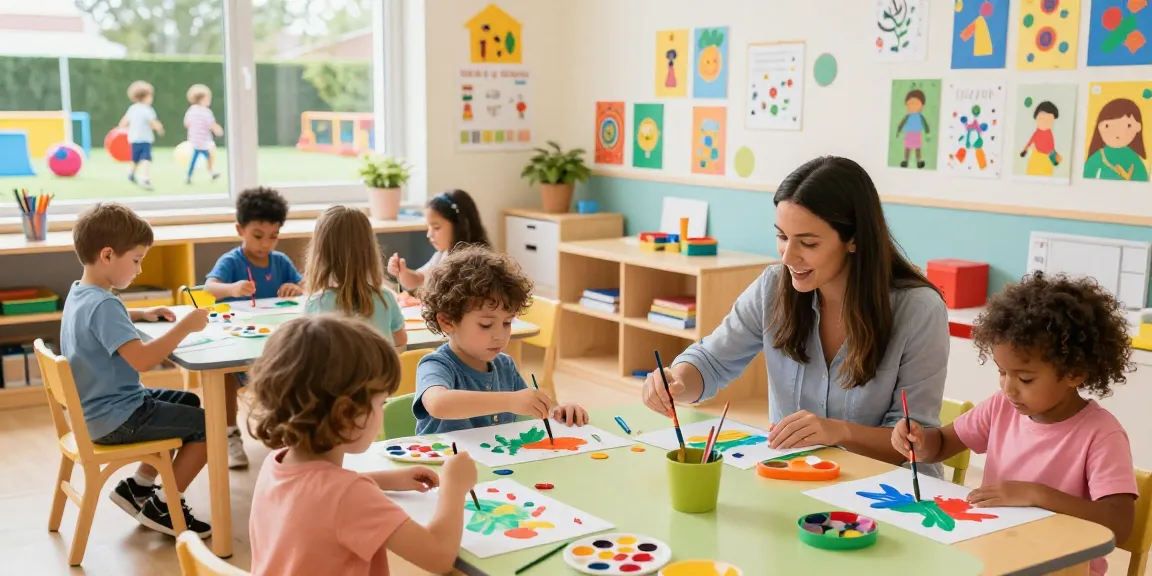
Understanding the Importance of Early Childhood Education
Early childhood education is pivotal in shaping the future of children, as it lays the foundation for their lifelong learning journey. The relevance of pre schools in Singapore is underscored by various studies that highlight the importance of nurturing curiosity and creativity from a young age. Education during these formative years directly influences cognitive, social, and emotional development, ensuring children are well-equipped to face the complexities of modern life.
When exploring options, pre schools in Singapore provide comprehensive insights into developmental programs that cater to young learners. Encouraging engagement in a supportive environment, early childhood education helps children make sense of their surroundings, enhancing their learning experience.
Role of Pre Schools in Singapore in Child Development
In Singapore, pre schools serve as a critical platform for children, guiding them through structured learning experiences that foster their innate curiosity. The role of these institutions is not limited to imparting academic knowledge; they also help children cultivate essential life skills, social interactions, and emotional regulation. Research indicates that children enrolled in high-quality preschool programs tend to perform better academically and socially in later stages of education.
Benefits of Holistic Learning Approaches
Holistic learning approaches focus on the complete development of a child, addressing cognitive, emotional, physical, and social growth. This method emphasizes the interconnectedness of various learning facets, promoting active participation and experiential learning. Programs that adopt a holistic approach enable children to explore their interests and develop a well-rounded character, which is crucial for their future success.
Future Trends in Early Childhood Education
The landscape of early childhood education is continually evolving, influenced by advancements in technology and changes in societal values. Future trends may include greater emphasis on personalized learning experiences, integration of technology in pedagogy, and a stronger focus on emotional intelligence. Additionally, multilingual education is becoming increasingly important, reflecting Singapore's diverse cultural fabric and preparing children for a globalized world.
Choosing the Right Preschool for Your Child
Selecting the right preschool is a significant decision for parents that can impact their child's development and educational trajectory. Factors such as location, curriculum, and teaching philosophy can guide parents in making this crucial choice. Understanding the unique offerings of each preschool can empower parents to choose an environment that aligns with their child's needs and learning style.
Factors to Consider When Selecting Pre Schools in Singapore
When evaluating pre schools in Singapore, parents should consider several key factors:
- Curriculum: Look for a curriculum that aligns with your educational philosophy, whether it is inquiry-based, play-based, or another approach.
- Teacher Qualifications: Ensure that the teachers are qualified and experienced in early childhood education, as they play a crucial role in shaping your child's learning experiences.
- Facilities: Visit the preschool to assess the facilities, including classrooms, play areas, and safety measures to ensure a conducive learning environment.
- Parent Involvement: A preschool that encourages parental involvement can enhance your child's learning experience and strengthen family-school connections.
Evaluating Programs and Curriculum
Programs should offer diverse activities that stimulate various aspects of child development. Look for schools that provide not only academic instruction but also opportunities for social interaction, creativity, and physical activity. Understanding the structure and methodology of the curriculum can help parents gauge how well their child's needs will be met.
Understanding Teacher Qualifications and Child Ratios
Teacher qualifications and child-to-teacher ratios are critical indicators of the educational environment at a preschool. Lower ratios often allow for more personalized attention, which is essential for young learners. When evaluating a preschool, seek information about teacher certifications and training in early childhood education, as well as the overall experience they bring to the classroom.
The Inquiry-Based Learning Approach
Inquiry-based learning is an instructional method that emphasizes the role of the student as an active participant in their learning process. Through questioning, exploration, and problem-solving, children construct their understanding and knowledge of the world around them. This approach aligns perfectly with the principles of child-led learning that many educators advocate today.
What is Inquiry-Based Learning?
Inquiry-based learning is centered around the child's natural curiosity and desire to explore. Rather than simply providing answers, teachers facilitate an environment where children can ask questions, investigate, and engage with the material in meaningful ways. This methodology not only enhances retention of information but also promotes critical thinking skills that are essential as children grow.
How Inquiry-Based Methods Enhance Child Engagement
Engagement is crucial for effective learning, and inquiry-based methods foster a sense of ownership in children over their learning journeys. By allowing kids to pursue their interests through projects and collaborative activities, they develop intrinsic motivation, which is instrumental for lifelong learning. This method also enhances social skills as children work together to solve problems and share findings.
Comparing Inquiry-Based Learning to Traditional Techniques
Traditional education typically relies on rote memorization and direct instruction, which can often lead to disengagement among young learners. In contrast, inquiry-based learning promotes exploration and curiosity, making learning more relevant and enjoyable. Students are encouraged to ask 'why' and 'how', providing a deeper understanding of the subjects they study and preparing them for real-world application of their knowledge.
Preparing Your Child for Preschool
Transitioning from home to preschool can be a significant adjustment for both parents and children. It’s essential to prepare children for this new stage in their lives to ensure a smoother transition and a positive experience. This preparation involves fostering independence and reinforcing curiosity in everyday life.
Transitioning from Home to Preschool Environments
To ease the transition, parents can start by introducing preschool-like routines, such as structured playtime, interactive storytelling, and group activities. These practices can help children become accustomed to the concept of learning in a group setting, making them feel more comfortable when they enter preschool.
Encouraging Independence and Curiosity at Home
Encouraging children to practice independence in the home environment can significantly ease their transition to preschool. Simple tasks like dressing themselves, choosing their outfits, or helping set the table can empower children and encourage curiosity. Ensuring they have opportunities to ask questions and explore their interests at home will prepare them for active participation in their preschool setting.
Communication with Educators: Best Practices
Establishing a strong communication channel with preschool educators is vital for supporting your child's development. Regular check-ins, participation in school events, and discussions about your child's progress can facilitate a collaborative approach to their education. Engaging with educators allows parents to stay informed and reinforces a supportive learning environment for the child.
Engaging with the Preschool Community
Engagement with the preschool community enriches the educational experience for children and families alike. Building connections with other parents and participating in school activities fosters a sense of belonging and community, which is beneficial for both the child and the family unit.
Parental Involvement: Why It Matters
Active parental involvement can significantly enhance a child's learning experience. When parents engage with their child's education, it demonstrates the importance of learning and values the child's efforts. This involvement can take many forms, from volunteering in the classroom to participating in parent-teacher associations.
Building Connections with Other Families
Building relationships with other families can provide essential support and create a network of shared experiences and advice. Participating in school functions or joining parent groups can facilitate these connections, providing parents with opportunities to exchange insights and support one another.
Supporting Events and Activities at Pre Schools in Singapore
Participating in school events and activities not only enriches the educational environment but also allows families to contribute to the school community. Whether it’s attending family days or supporting fundraising events, these activities foster a sense of connection and commitment to the preschool community.
What to Look for in a Holistic Curriculum?
A holistic curriculum should address all areas of a child's development. Look for programs that integrate not only academic learning but also social-emotional skills, physical development, and creative arts. A well-rounded curriculum ensures that children develop in a balanced and comprehensive manner, conducive to their future learning.
How Can You Encourage Lifelong Learning?
Encouraging a mindset of lifelong learning begins at home. Parents can model curiosity and a love for learning by exploring new topics, visiting educational sites, and engaging in discussions about various subjects. These simple practices instill a desire for knowledge and personal growth that children will carry with them throughout their lives.
Frequently Asked Questions
What makes a preschool stand out in Singapore?
A preschool that stands out typically offers a unique curriculum, experienced teachers, and a warm, nurturing environment. It also emphasizes parental involvement and encourages children's natural curiosity through innovative teaching methods.
How do I know if my child is ready for preschool?
Indicators that a child may be ready for preschool include showing interest in social interactions, demonstrating basic self-care skills, and exhibiting curiosity about their environment. Each child's readiness will vary, so consider their comfort level with new experiences.
Can international families enroll in local preschools?
Yes, many local preschools in Singapore welcome international families. These institutions often provide a multicultural environment that enriches the educational experiences of all children.
What are the costs associated with preschools in Singapore?
Costs for preschools in Singapore can vary significantly based on the type of institution, location, and program offerings. It is advisable for parents to research and compare various options to find a preschool that fits their budget while meeting their child's educational needs.
How can parents support their child’s learning at preschool?
Parents can support their child's learning by engaging in discussions about their day, reinforcing lessons learned at home, and maintaining open lines of communication with teachers regarding their child's progress and needs.