Understanding GHK-Cu Peptide: The Basics
The GHK-Cu peptide is a naturally occurring copper peptide that has garnered significant attention in the skincare community due to its regenerative properties and multifaceted benefits. This peptide, comprised of three amino acids and a copper ion, plays a pivotal role in various biological processes, including skin repair, collagen production, and anti-aging responses. As consumers increasingly seek effective, science-backed ingredients in their skincare routines, understanding the fundamentals of GHK-Cu becomes essential for making informed choices.
What is GHK-Cu Peptide?
GHK-Cu, or Glycyl-L-Histidyl-L-Lysine-Copper, is a tripeptide that binds copper ions, which are crucial for several biological functions. Discovered in the 1970s by Dr. Loren Pickart, GHK-Cu has been extensively studied for its wound healing and anti-aging properties. This peptide not only enhances the skin’s elasticity and firmness but also stimulates the production of collagen and glycosaminoglycans, which are vital for maintaining skin hydration and structure.
How GHK-Cu Functions in Skincare
The effectiveness of GHK-Cu in skincare can be attributed to its ability to penetrate the skin barrier and activate a plethora of biological pathways. By binding to specific receptors on skin cells, GHK-Cu initiates a chain reaction that promotes cellular repair and regeneration. It also modulates inflammation, which can be particularly beneficial for those with sensitive skin or conditions like rosacea. When exploring options, GHK-Cu peptide provides comprehensive insights into its capabilities, making it a popular ingredient in many modern formulations.
Historical Context of GHK-Cu Research
Over the years, research has demonstrated the remarkable efficacy of GHK-Cu in various applications. Early studies highlighted its role in wound healing, showing significant improvements in recovery times and skin integrity. Subsequent research expanded the focus to anti-aging effects, with clinical trials revealing that regular applications of GHK-Cu could lead to visible improvements in skin texture and elasticity. The peptide’s popularity has continued to rise as more consumers seek scientifically validated ingredients in their skincare products.
Benefits of GHK-Cu Peptide in Skincare
Collagen Production Enhancement
One of the most significant benefits of GHK-Cu is its ability to promote collagen synthesis. Collagen is the primary structural protein in the skin, responsible for its firmness and youthful appearance. Studies have shown that GHK-Cu increases collagen production by up to 70%, essential for combating the signs of aging. By using products containing GHK-Cu, users can expect a noticeable improvement in skin elasticity, leading to a more youthful complexion.
Wound Healing Properties
GHK-Cu has been found to accelerate wound healing significantly. Its wound-healing capabilities stem from its role in promoting angiogenesis (the formation of new blood vessels) and reducing inflammation. It not only enhances the healing of superficial cuts and scrapes but also plays a role in more complex wounds, aiding in the recovery from surgical procedures and injuries. Clinical studies indicate that topical application of GHK-Cu can lead to reduced healing times and improved skin regeneration.
Anti-Aging Effects Overview
As a potent anti-aging ingredient, GHK-Cu works on multiple fronts. It reduces fine lines and wrinkles, improves skin tone, and minimizes the appearance of age spots. By promoting cellular metabolism and increasing antioxidant activity in the skin, GHK-Cu helps to combat oxidative stress, which is a significant contributor to skin aging. Users often report improved skin texture and luminosity after incorporating GHK-Cu into their routines.
Usage Guidelines for GHK-Cu Peptide
How to Apply GHK-Cu Peptide Serum Effectively
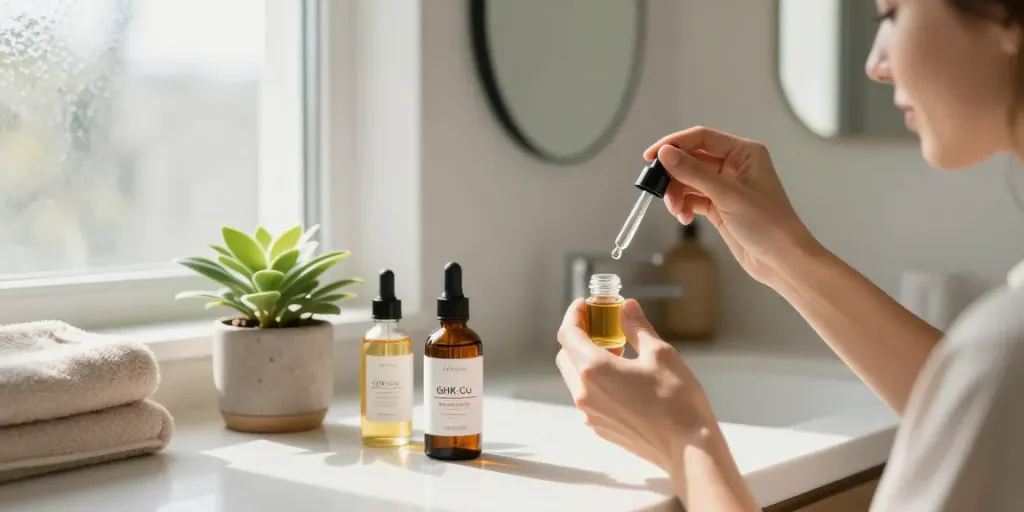
For optimal results, GHK-Cu peptide should be applied to clean, dry skin. Start with a small amount, typically 2-3 drops, and gently massage it into the skin using upward motions. It is essential to allow the serum to absorb fully before applying other products. For those using multiple serums, GHK-Cu can be applied first or second in your routine, depending on your specific skin needs.
Recommended Dosage and Frequency
Most skincare experts recommend using GHK-Cu peptide products twice daily—once in the morning and once in the evening. However, beginners should start with a lower frequency to assess skin tolerance. Over time, users can increase the frequency based on their skin's responsiveness and desired results.
Best Practices for Maximum Results
- Always conduct a patch test before applying new products containing GHK-Cu to avoid potential allergic reactions.
- Combine GHK-Cu with other active ingredients such as hyaluronic acid or vitamin C for enhanced moisture retention and antioxidant protection.
- Avoid using GHK-Cu on broken skin or open wounds to prevent irritation.
- Store products containing GHK-Cu in a cool, dark place to maintain their efficacy.
Potential Side Effects and Considerations
Common Misconceptions About GHK-Cu Peptide
A prevalent misconception about GHK-Cu is that it is only suitable for aging skin. However, its regenerative properties can benefit individuals of all ages. Whether you're looking to prevent early signs of aging or enhance skin repair after an injury, GHK-Cu can be advantageous.
Possible Side Effects to Be Aware Of
While GHK-Cu is generally well-tolerated, some users may experience mild irritation or redness upon initial application. These side effects are typically transient and diminish with continued use. It is advisable to consult a skincare professional if severe reactions occur.
Consultation with Skincare Professionals
Before incorporating GHK-Cu into your skincare regimen, particularly if you are pregnant, nursing, or have underlying skin conditions, it is wise to consult a skincare professional. They can provide personalized recommendations tailored to your unique skin type and needs.
The Future of GHK-Cu Peptide in Skincare
Emerging Trends and Products in 2026
As we move further into 2026, the demand for innovative skincare ingredients continues to soar. GHK-Cu peptides are expected to feature prominently in formulations targeting not just aging, but also skin disorders like acne and hyperpigmentation. With increasing awareness of natural ingredients, we may see a rise in organic formulations that harness the power of GHK-Cu.
Innovative Applications Beyond Skincare
Recent studies are exploring the potential of GHK-Cu in hair restoration therapies, showing promising results in promoting hair growth and reducing hair thinning. This suggests a broader application for GHK-Cu beyond just skincare, potentially making it a go-to ingredient in hair care products as well.
Expert Predictions for GHK-Cu Peptide's Impact
Experts predict that GHK-Cu will solidify its status as a key player in the skincare industry as more consumers demand effective and science-backed products. With continuous research affirming its benefits, the peptide is expected to be a staple in clinical and over-the-counter formulations.
What the Consumers Need to Know?
Consumers should prioritize quality when selecting GHK-Cu products. Look for reputable brands that provide transparency about their sourcing and formulation practices. Reading reviews and checking for clinical studies supporting claims can also help in making informed choices.
How to Choose Quality GHK-Cu Products?
- Check for concentration levels—effective products typically contain GHK-Cu at a concentration of at least 1%.
- Look for formulations that pair GHK-Cu with complementary ingredients for enhanced effects.
- Investigate the brand’s reputation and customer reviews to ensure satisfaction.
- Be wary of products that claim immediate results—effective skincare takes time and consistent use.