Understanding DPF and Its Importance
The Diesel Particulate Filter (DPF) is a critical component in modern diesel engines, designed to reduce harmful emissions and improve air quality. As vehicle emissions regulations become stricter, understanding the role of the DPF has never been more important for vehicle owners. Regular maintenance and cleaning, or dpf reinigen, ensure that this essential part functions optimally, avoiding costly repairs and enhancing vehicle performance.
What is a Diesel Particulate Filter (DPF)?
A Diesel Particulate Filter is an emissions control device that captures and stores soot (particulate matter) produced during combustion in diesel engines. This device plays a vital role in minimizing pollution by reducing black smoke and particulate emissions that could otherwise contribute to environmental degradation and health issues.
How DPF Works: Key Mechanisms Explained
The DPF operates by trapping soot particles during the combustion process. Once the filter reaches a certain level of blockage, a process called regeneration is triggered. During regeneration, the trapped soot is burned off at high temperatures, allowing the filter to clean itself. This process can occur actively (while driving) or passively (when the engine is idling), depending on the vehicle's design and driving conditions.
Importance of Regular DPF Reinigen
Regular dpf reinigen is essential to ensure the DPF remains efficient and effective. A clean DPF allows for optimal exhaust flow, which can improve fuel efficiency and overall engine performance. Moreover, neglecting DPF maintenance can lead to a higher likelihood of blockages, triggering warning lights on the dashboard and potentially resulting in expensive repairs.
Common DPF Issues and Symptoms
Identifying DPF Blockage Symptoms
Recognizing the symptoms of a blocked DPF is crucial for timely intervention. Common signs include:
- Increased fuel consumption
- Loss of engine power or performance
- Dashboard warning lights, especially the DPF warning light
- Dark exhaust smoke, indicating excess soot production
Causes of DPF Failure
Several factors can contribute to DPF failure, including:
- Frequent short journeys that prevent the engine from reaching optimal temperature for regeneration
- Using low-quality fuel that leaves more residue
- Faulty engine components such as the fuel injectors or turbocharger
- Ignoring regular maintenance and cleaning schedules
Misconceptions About DPF Maintenance
Many vehicle owners hold misconceptions about DPF maintenance. Common myths include:
- It’s unnecessary to clean the DPF if there are no warning lights. However, routine maintenance can prevent issues before they arise.
- All DPF cleaning procedures are the same. Different vehicles may require specific methods for effective cleaning.
- DPF issues can be resolved by simply removing the filter, which is illegal and can lead to substantial fines and increased pollution.
Methods of DPF Reinigen
Manual vs. Automated DPF Cleaning Techniques
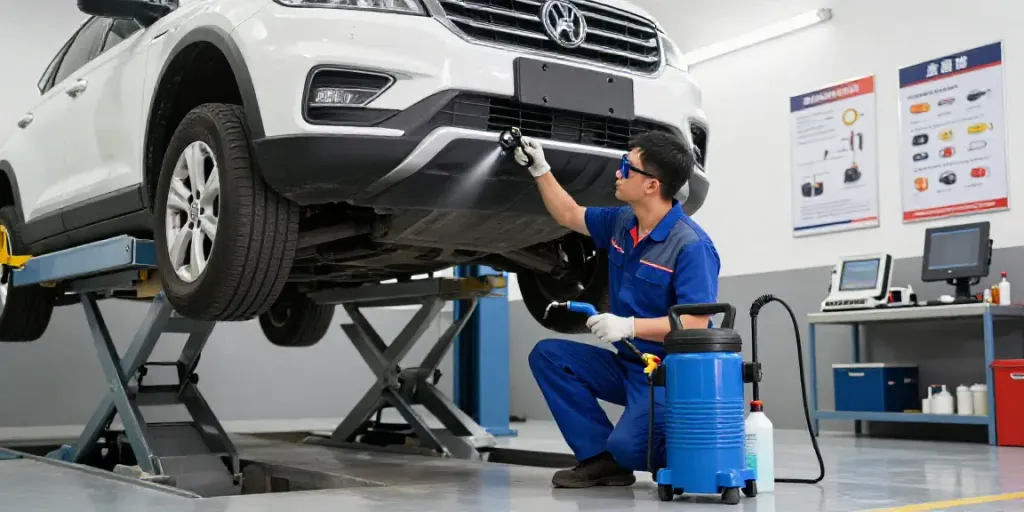
DPF cleaning methods vary, with two primary techniques being manual and automated cleaning. Manual cleaning involves removing the DPF from the vehicle and cleaning it through methods such as backwashing or using pressurized air. Automated cleaning, on the other hand, often utilizes advanced machinery designed to clean the DPF without removal, providing a more efficient and less time-consuming solution.
Introduction to Chemical Cleaning Solutions
Chemical cleaning solutions are another option for maintaining a clean DPF. These solutions can dissolve soot and other residues that accumulate over time. While chemical cleaning can be effective, it is essential to choose products specifically designed for DPFs to avoid damaging the filter with harsh chemicals.
Step-by-Step Guide to Safe DPF Reinigen
For those considering performing a DPF cleaning, follow this step-by-step guide:
- Ensure the vehicle is parked on a level surface and the engine is off.
- Wear appropriate safety gear, including gloves and safety goggles.
- Remove the DPF from the vehicle, following manufacturer instructions.
- Clean the DPF using your chosen method (manual or chemical), ensuring that no components are damaged in the process.
- Reinstall the DPF and conduct a test drive to ensure the system is functioning correctly.
DPF Maintenance Best Practices
Frequency of DPF Cleaning and Inspections
It’s recommended to inspect the DPF regularly, with cleaning occurring every 30,000 to 50,000 kilometers depending on driving habits and fuel quality. High-performance or heavily used vehicles might require more frequent checks.
Tips for Preventing DPF Blockages
To prevent DPF blockages, consider the following tips:
- Use high-quality diesel fuel to reduce deposits in the filter.
- Take longer drives to allow the engine to reach optimal temperatures for regenerative cycles.
- Perform regular vehicle maintenance, including engine checks and oil changes.
- Avoid excessive idling, as it can prevent proper DPF operation.
Choosing the Right Cleaning Services
When selecting a DPF cleaning service, look for providers with positive reviews and a proven track record. It’s crucial that the service uses quality equipment and experienced technicians to ensure the DPF is cleaned effectively and safely.
Future Trends in DPF Technology
Emerging Technologies in DPF Reinigen
As technology advances, new methods for DPF cleaning are emerging. Innovations may include improved chemical agents that target soot more efficiently, as well as advanced diagnostic tools to better predict DPF performance issues.
Environmental Regulations and Their Impact on DPF
With increasing environmental regulations, DPF technology is expected to evolve. This could lead to stricter standards for particulate emissions and, consequently, more advanced filtration technology that could enhance cleaning capabilities.
Predictions for DPF Development by 2026
By 2026, we may see a significant shift in the DPF landscape, with developments such as integrated sensors to monitor DPF condition in real-time, automated cleaning systems, and biodegradable cleaning agents that reduce environmental impact.
What’s the Best Way to Maintain Your DPF?
The best way to maintain your DPF is through regular inspections and proactive cleaning. Make sure to adhere to your vehicle’s maintenance schedule and utilize timely interventions to clean the DPF effectively, ensuring long-lasting performance.
Can I Clean My DPF Filter Myself?
While it is possible to clean your DPF at home, it requires the right tools and knowledge. For optimal results, consider seeking professional services to ensure your DPF is maintained according to industry standards.
How Much Does It Cost to Get a DPF Cleaned?
The cost of DPF cleaning can vary widely based on the method used and the service provider. On average, professional cleaning services range from $100 to $300. Regular maintenance can save money in the long run by preventing more costly repairs.
Is DPF Cleaning Necessary?
Yes, regular DPF cleaning is necessary to maintain engine performance and comply with emissions regulations. Neglecting this service can lead to increased emissions, engine problems, and costly repairs.