Understanding the Average Costs of a Small Bathroom Remodel

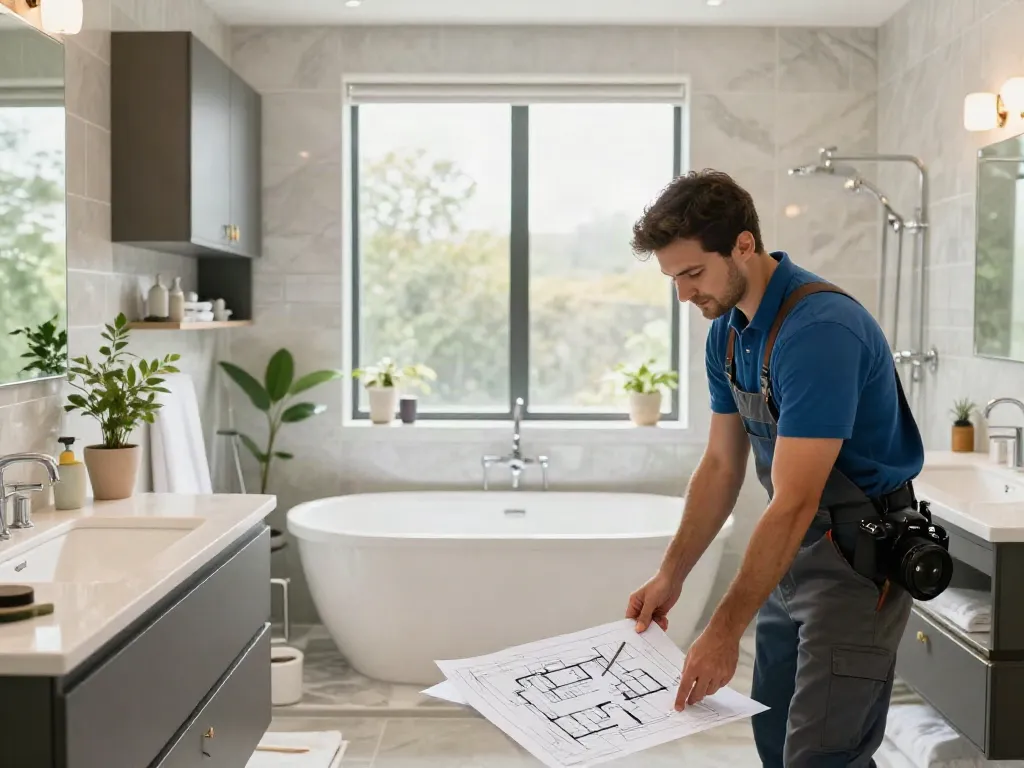
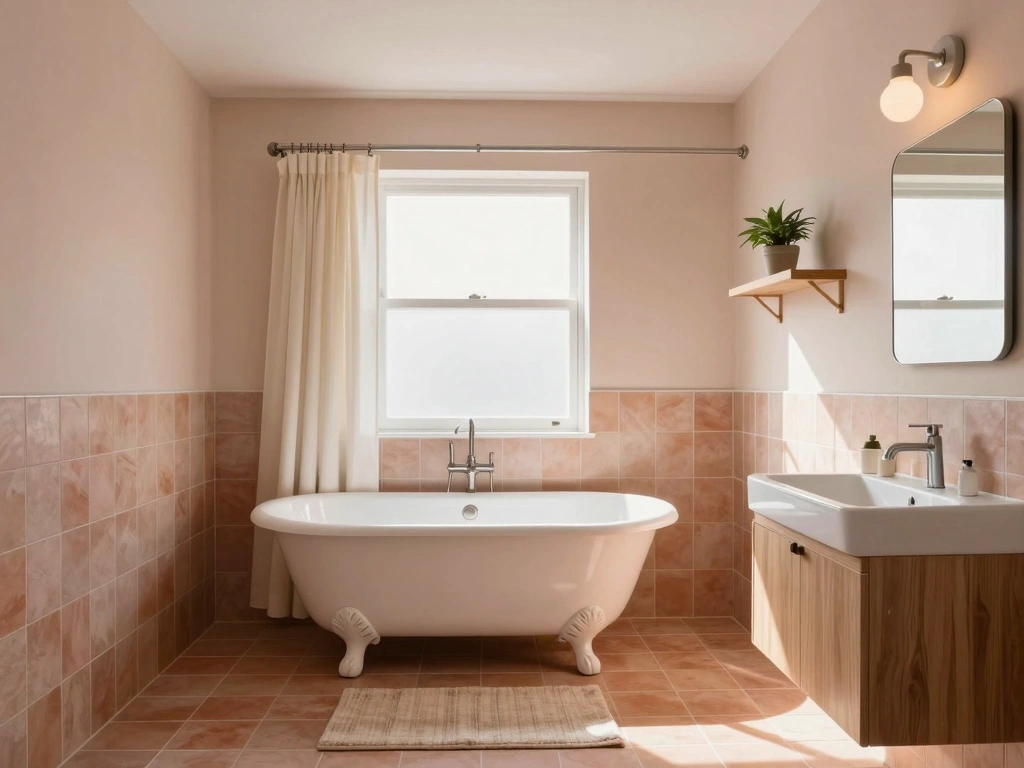
Remodeling a small bathroom can be a rewarding project that not only enhances your home's appearance but also increases its value. However, understanding the average costs associated with such a remodel is crucial for effective budgeting. This section will break down the factors influencing remodeling costs, provide typical price ranges for key elements, and compare DIY versus professional costs.
Factors Influencing Remodeling Costs
Several factors can significantly impact the overall cost of your small bathroom remodel:
- Size: The dimensions of your bathroom greatly influence the materials needed and labor costs. Smaller spaces may require less material but can be trickier to work in, potentially increasing labor costs.
- Location: Geographic location can affect costs due to differences in labor rates, material availability, and regional demand for remodeling services.
- Design Complexity: Unique design choices or custom installations, such as built-in shelving or intricate tile work, can increase costs.
- Fixture Quality: The quality and brand of the fixtures (toilets, sinks, faucets) can vary widely in price. Premium brands will push your budget higher.
- Labor Costs: Hiring professionals can significantly increase costs. Rates vary by region, the experience of the contractor, and the complexity of the job.
Typical Price Ranges for Key Elements
Here are some typical price ranges for key elements of a small bathroom remodel:
- Bathtub: $400 - $2,000 (standard tub vs. luxury soaking tub)
- Shower: $500 - $3,000 (depends on type and installation)
- Vanity: $300 - $2,000 (including countertop)
- Toilet: $150 - $1,000 (standard vs. high-efficiency models)
- Flooring: $2 - $10 per square foot (vinyl, tile, or natural stone)
- Plumbing and Electrical Work: $500 - $2,000 (if major changes are needed)
- Labor: $50 - $150 per hour (depends on the contractor's expertise and location)
Comparing DIY vs. Professional Costs
Deciding whether to tackle a bathroom remodel as a DIY project or hire professionals can have significant financial implications. Here’s a breakdown:
- DIY: If you have the skills and tools, you can save money on labor costs. For example, if you can install a new vanity yourself, you might save $500 - $1,500 in labor. However, consider the time commitment and potential for mistakes.
- Professional Help: Hiring a licensed contractor is often more expensive but can save you time and ensure that the work meets local building codes. A typical contractor might charge $1,500 - $5,000 for a small bathroom remodel, depending on the scope of work.
Essential Budgeting Tips for Small Bathroom Remodels
Creating a realistic budget is crucial for a successful remodel. This section will provide essential budgeting tips to help you manage your expenses effectively.
Setting a Realistic Budget
Start by assessing your total budget for the remodel. Here are steps to set a realistic budget:
- Research Costs: Gather estimates for materials and labor based on your desired changes.
- Include a Contingency Fund: Allocate 10-20% of your budget for unexpected expenses that may arise during the remodel.
- Be Honest About Your Finances: Evaluate your financial situation and determine how much you can realistically spend without overextending yourself.
Allocating Funds Across Different Areas
Once you have a total budget, divide your funds into categories:
- Fixtures and Fittings: Allocate 40-50% of your budget here, focusing on essential items like the toilet, sink, and shower.
- Labor Costs: Set aside 30-40% for labor if hiring professionals. If you plan to do some work yourself, adjust accordingly.
- Finishing Touches: Reserve 10-20% for decor, paint, or any additional features that enhance the space.
Prioritizing Must-Have Features vs. Nice-to-Haves
Prioritization helps ensure that you spend on essential elements first:
- Must-Haves: Focus on functional necessities like plumbing, flooring, and basic fixtures.
- Nice-to-Haves: Consider luxury items or aesthetic upgrades, like heated flooring or designer tiles, only if your budget allows.
Cost-Saving Strategies for Small Bathroom Remodels
There are various strategies you can employ to save money during your small bathroom remodel without sacrificing quality. This section outlines several cost-saving methods.
Repurposing Existing Fixtures and Fittings
One of the most effective ways to save money is by repurposing existing fixtures:
- Refinish Instead of Replace: Instead of buying a new bathtub, consider refinishing the existing one for about $300 - $600.
- Paint Cabinets: A fresh coat of paint on your existing vanity can give it a new look for a fraction of the cost of a replacement.
Shopping Smart: Discounts and Sales
Take advantage of discounts and sales to reduce your remodeling budget:
- Seasonal Sales: Look for sales during major holidays or end-of-season clearance events where home improvement stores often discount items.
- Online Retailers: Websites like Overstock or Wayfair often have competitive pricing on bathroom fixtures and materials.
Choosing Affordable Materials Without Compromising Quality
There are many affordable materials that can help you stay within your budget:
- Vinyl Flooring: Durable and water-resistant, vinyl can cost as little as $2 per square foot compared to $5-$10 for tile.
- Laminate Countertops: Consider laminate options instead of granite or quartz, which can save you hundreds of dollars while still looking stylish.
Hidden Costs to Anticipate in Your Bathroom Remodel
While budgeting for your small bathroom remodel, it's essential to account for hidden costs that can arise. This section details some common unexpected expenses.
Permit and Inspection Fees
Depending on the scope of your remodel, you may need permits, which can add to your budget:
- Permit Costs: Depending on your location, permits can range from $50 to over $500.
- Inspection Fees: Some projects may require inspections, adding additional costs to your overall budget.
Unexpected Structural Repairs
Older bathrooms may have hidden issues that require addressing:
- Water Damage: If you discover mold or water damage when removing old fixtures, repairs can cost anywhere from $500 to $5,000.
- Electrical Updates: Upgrading electrical systems to meet current codes can also add unexpected costs, typically ranging from $300 to $1,500.
Costs Associated with Delays and Changes
Delays can lead to increased costs:
- Labor Delays: If your project falls behind schedule, you may incur additional labor costs.
- Design Changes: Changing your design mid-project can lead to increased costs for labor and materials.
Financing Options for Your Small Bathroom Remodel
If your budget is tight, there are several financing options available to help you afford your small bathroom remodel. This section will discuss various financing strategies.
Personal Loans vs. Home Equity Loans
When it comes to financing a remodel, two common options are personal loans and home equity loans:
- Personal Loans: Unsecured personal loans can offer quick access to funds, usually ranging from $1,000 to $50,000, with interest rates from 5% to 36% depending on your credit score.
- Home Equity Loans: If you have equity in your home, a home equity loan can provide lower rates (typically 3% to 7%), allowing you to borrow against your home's value.
Using Credit Cards Wisely for Remodeling Expenses
If you need to make smaller purchases, using credit cards can be beneficial:
- Rewards and Cash Back: Use credit cards that offer rewards or cash back on home improvement purchases, but be mindful of interest rates.
- Paying Off Balances: Aim to pay off your balance quickly to avoid high-interest charges.
Exploring Government Grants and Assistance Programs
In some cases, you may qualify for government grants or assistance programs:
- Local Programs: Check with local housing authorities for programs that offer financial assistance for home renovations.
- Energy Efficiency Grants: Some programs provide funding for energy-efficient upgrades, which can be a part of your bathroom remodel.
Remodeling a small bathroom can be an exciting yet challenging endeavor. By understanding the costs, setting a realistic budget, and employing smart strategies, you can successfully navigate your bathroom remodel project without breaking the bank. Always consider hidden costs and financing options to ensure you are prepared for the journey ahead.