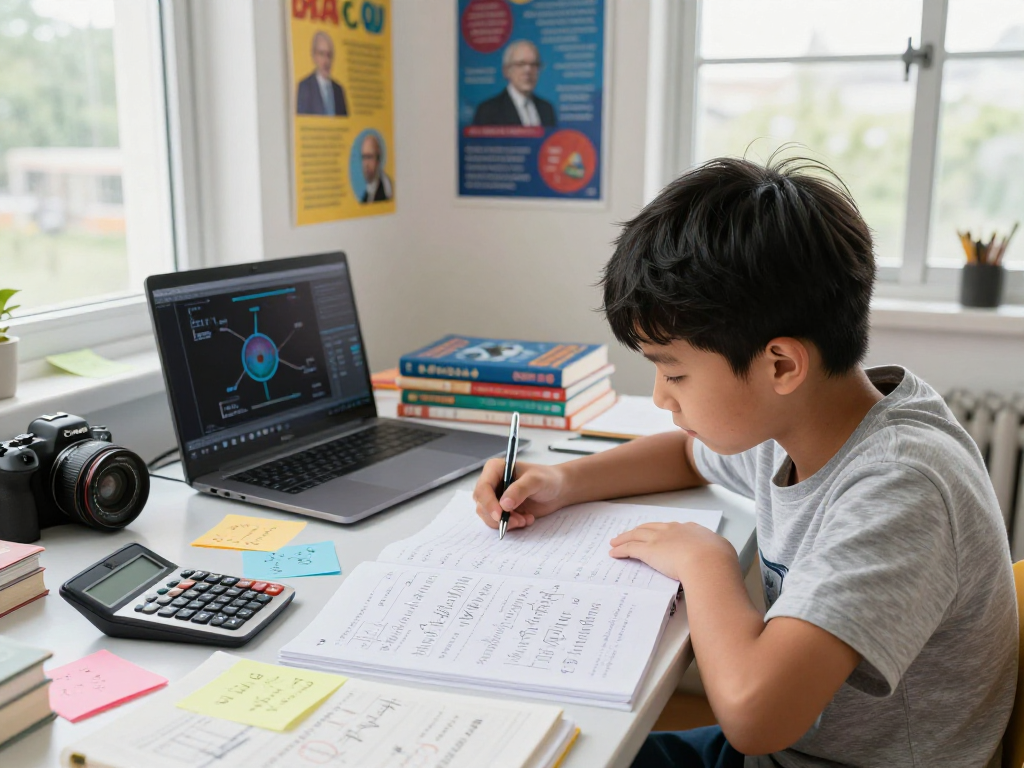
Understanding Physics Tuition: The Basics
Physics tuition is an essential resource for students aiming to enhance their understanding of one of the most complex subjects in science. Offering personalized learning experiences, physics tuition caters to various learning styles and paces, ensuring that each student's unique needs are met. As education becomes increasingly competitive, the role of specialized tutoring in physics cannot be overstated. This article breaks down the fundamental concepts of physics tuition, exploring its purpose, benefits, and the different types available.
What Is Physics Tuition?
Physics tuition refers to supplementary educational support provided to students outside of the traditional classroom setting. This specialized instruction can take many forms, including one-on-one sessions, small group classes, and online tutoring. The aim of physics tuition is to reinforce concepts learned in school, clarify difficult topics, and prepare students for examinations. Experienced tutors guide students through challenging material, providing explanations tailored to individual comprehension levels.
Why Choose Physics Tuition?
Choosing physics tuition can significantly impact a student's academic journey. For many, the complexity of physics can lead to frustration and a lack of confidence. By engaging with a tutor, students can receive personalized attention that addresses their specific struggles. Additionally, the flexibility of tuition—whether in-person or online—allows students to learn at their own pace, making it easier to grasp challenging concepts.
Types of Physics Tuition Available
- One-on-One Tuition: Individual sessions with a tutor provide tailored instruction and immediate feedback.
- Group Tuition: Smaller groups foster collaboration and peer learning, making it an effective way to tackle complex topics collectively.
- Online Tuition: Virtual platforms enable students to learn from the comfort of their homes, often providing access to additional resources and interactive tools.
- Exam Preparation Courses: Focused sessions aimed at preparing students for specific examinations, including GCSEs or A-Levels.
Benefits of Physics Tuition for Students
The advantages of engaging in physics tuition extend beyond mere academic performance. Here are some key benefits students can expect:
Enhancing Understanding of Complex Concepts
Physics encompasses a variety of intricate theories and principles. Tuition provides the opportunity for students to explore these concepts in depth. Through detailed explanations and targeted practice questions, tutors help clarify misunderstandings and solidify knowledge. This enhanced understanding can lead to better performance in tests and a stronger appreciation for the subject.
Building Confidence in Academic Performance
Struggling with physics can lead to a lack of self-confidence among students. Through personalized tutoring, students gain mastery over challenging topics, resulting in improved grades and self-esteem. As they see their progress, they become more confident in their abilities, which often translates into better participation in class and a greater willingness to tackle new challenges.
Individualized Learning Plans
Every student has a unique learning style and pace. Physics tuition allows for the creation of individualized learning plans that cater specifically to a student's strengths and weaknesses. Tutors assess a student's knowledge and skill level, tailoring lessons to focus on areas requiring the most attention while also reinforcing their strengths.
Challenges in Physics Tuition: Overcoming Obstacles
While physics tuition is beneficial, it is essential to acknowledge and address some common challenges that students may face:
Common Misconceptions About Physics Tuition
Many students might believe that tuition is only for those who are failing or struggling significantly. However, physics tuition is valuable for students at all levels. It can provide additional challenges for advanced learners or help reinforce foundational concepts for beginners.
Addressing Student Anxiety and Fear of Failure
Students often experience anxiety related to physics exams and topics. A supportive tutor can help mitigate these feelings by providing a safe space for questions and mistakes. Building a trusting relationship allows students to feel more comfortable expressing their uncertainties, leading to more effective learning.
Finding the Right Tutor for Your Needs
Selecting a tutor who aligns with a student's learning style is crucial. It requires consideration of the tutor's teaching methods, experience, and personality. Parents and students should research potential tutors and, if possible, conduct introductory sessions to ensure compatibility.
Effective Strategies for Physics Tuition
To maximize the effectiveness of physics tuition, students can adopt several strategies:
Creating a Structured Study Schedule
Establishing a consistent study schedule can enhance a student's ability to absorb complex material. Regular sessions help maintain momentum, while a structured approach allows for systematic coverage of the syllabus, ensuring no topic is overlooked.
Utilizing Online Resources and Tools
The digital age offers a plethora of online resources for physics students. Websites, apps, and virtual simulations can complement tutoring sessions, providing additional practice and interactive learning experiences. Utilizing these resources allows students to engage with material dynamically, reinforcing their understanding.
Encouraging Active Problem-Solving Techniques
Physics is best understood through active problem-solving rather than passive listening. Tutors should encourage students to work through problems independently, gradually guiding them to develop their problem-solving strategies. This method fosters critical thinking and deeper comprehension of physics principles.
The Future of Physics Tuition in 2026 and Beyond
As we look ahead, the landscape of physics tuition continues to evolve. Several trends are emerging that may shape the future of tutoring in this subject:
Trends in Online Physics Tuition
The integration of technology into education is accelerating. Online physics tuition is becoming more popular as students and parents appreciate the flexibility and accessibility it offers. Future platforms may incorporate AI tools to personalize learning even further, adapting to student progress and learning styles in real-time.
Integrating Technology in Physics Learning
Future physics tuition will likely see increased use of augmented and virtual reality, which can help visualize complex concepts that are often difficult to grasp through traditional methods. This immersive approach can enhance understanding by providing interactive and engaging learning experiences.
Global Perspectives on Physics Education
As education becomes more globalized, students will have access to diverse educational resources and perspectives in physics. This exposure will encourage cross-cultural collaboration and innovation in teaching methods. Additionally, peer learning from international students can enrich the understanding of physics concepts from various viewpoints.
What Should Parents Look for in a Physics Tutor?
When selecting a physics tutor, parents should consider the tutor’s qualifications, teaching experience, and references. It's also essential to find someone who can connect with their child and explain concepts in a way that resonates with them. Parents should also ensure the tutor can provide a structured plan for study and regularly assess their child's progress.
How Can Students Maximize Their Tuition Experience?
Students can optimize their tuition experience by actively participating in sessions, communicating their struggles, and practicing consistently. Maintaining an organized approach to note-taking and revision will also help reinforce what they've learned during tuition.
What Are the Most Common Topics Covered in Physics Tuition?
Common topics in physics tuition typically include mechanics, electricity and magnetism, thermodynamics, waves, and optics. Tutors may also cover advanced topics depending on the student's curriculum, such as quantum physics and relativity.
What is the Role of Practice in Learning Physics?
Practice plays a pivotal role in mastering physics. Regular problem-solving reinforces theoretical concepts and helps students apply what they have learned in practical scenarios. Furthermore, working through various types of problems can prepare students for the diverse questions they may encounter in exams.
Are Group Tutoring Sessions Effective for Physics Learning?
Group tutoring sessions can be highly effective for physics learning. Students benefit from collaborative discussions that can lead to a deeper understanding of concepts. Additionally, peer interaction encourages different problem-solving approaches and allows for shared learning experiences.