Overview of the Manaslu Trek
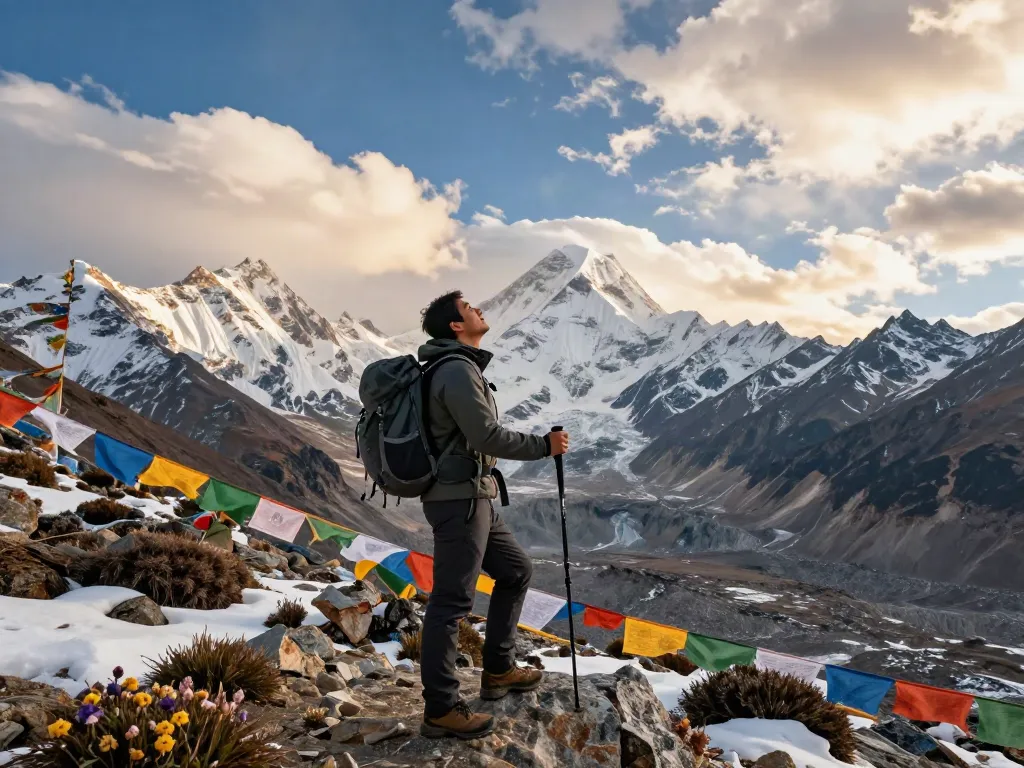
The Manaslu Trek offers an unforgettable journey through the heart of Nepal’s majestic mountains, presenting trekkers with incredible views, rich cultural experiences, and the thrill of adventure. This trek takes you around Mount Manaslu, the eighth-highest peak in the world, showcasing breathtaking landscapes and offering insights into the vibrant traditions of the local communities. Emphasizing less commercialized trails compared to its famous counterparts, the Manaslu Circuit has become a hidden gem for avid hikers and nature lovers alike. When exploring options, Manaslu Trek provides comprehensive insights and a carefully curated itinerary for those seeking an enriching trekking experience.
What is the Manaslu Trek?
The Manaslu Trek is a stunning, 15-day expedition located in the Gorkha region of Nepal. This trek takes adventurers through lush green valleys, towering peaks, and the picturesque landscapes that characterize the Himalayas. With a total distance of approximately 177 kilometers (110 miles), trekkers will navigate through various terrains, each offering unique sights and experiences. The trek begins in Soti Khola and ends in Dharapani, consisting of a blend of challenging uphill ascents and rewarding descents, ultimately providing stunning views of the iconic Mount Manaslu and its surrounding peaks.
Highlights of the Manaslu Circuit
The Manaslu Circuit is punctuated by several breathtaking highlights that make the trek a must-do for any adventure enthusiast:
- Larkya La Pass: At an altitude of 5,160 meters (16,929 feet), this spectacular pass offers panoramic views of Manaslu and its neighboring peaks.
- Cultural Encounters: Trekking through traditional villages like Samagaon and Namrung provides a unique glimpse into the rich Tibetan-influenced culture.
- Wildlife Viewing: The trek passes through the Manaslu Conservation Area, home to rare species like the snow leopard and Himalayan tahr.
- Acclimatization Days: Strategically placed acclimatization days allow trekkers to adjust to the altitude, improving overall safety and comfort.
- Awe-Inspiring Landscapes: From cascading waterfalls to lush forests and alpine meadows, every step of the journey is filled with natural beauty.
Unique Cultural Experiences Along the Trek
One of the most enriching aspects of the Manaslu Trek is the opportunity to engage with local cultures. Trekkers will encounter ethnic communities such as the Gurung and Tibetan peoples, each with their own customs, traditions, and languages. Visitors can explore ancient monasteries, partake in local festivals, and experience the genuine hospitality of mountain villagers, enriching the overall trekking experience.
Preparing for Your Manaslu Trek
Proper preparation is key to a successful trekking experience. The following sections detail essential gear, fitness requirements, and tips for tackling the challenge of the Manaslu Circuit.
Essential Gear and Packing Tips for the Manaslu Trek
When packing for the trek, the right gear can significantly impact your comfort and safety. Here’s a comprehensive list of must-have items:
- Footwear: Invest in high-quality, sturdy trekking boots with good ankle support and waterproofing.
- Clothing Layers: Dress in layers to adapt to varying temperatures. Include thermal underwear, fleece jackets, and waterproof outer layers.
- Cooking and Eating Utensils: A lightweight cooking pot, plates, and cutlery are essential if you plan to prepare your meals.
- Sleeping Gear: Consider packing a good-quality sleeping bag rated for cold temperatures and possibly a sleeping pad for added comfort.
- Hydration System: A reusable water bottle or hydration bladder will keep you hydrated. Water purification tablets or a filter are also recommended.
- Sun Protection: Sunscreen, sunglasses, and a wide-brimmed hat are essential for protection against high-altitude sun exposure.
Physical Fitness Requirements for Trekkers
The Manaslu Trek is deemed moderately challenging. Trekkers should be in good physical condition, capable of walking for long hours (approximately 5 to 8 hours per day) on uneven terrains. Regular cardio workouts, strength training, and prior hiking experience are recommended to prepare your body for the trek.
Understanding the Difficulty Level of the Manaslu Trek
The difficulty of the trek primarily arises from high elevation, long daily hikes, and varying weather conditions. While the trek is accessible to those without prior trekking experience, a reasonable level of fitness is necessary. Trekkers can expect to face altitude sickness risks, particularly as they approach higher altitudes like Larkya La Pass. Engagement in an acclimatization program can mitigate this risk, helping trekkers adjust gradually to altitude changes.
Manaslu Trek Itinerary Breakdown
The detailed itinerary of the Manaslu Trek outlines daily activities and highlights, ensuring a comprehensive trekking experience that balances exploration, acclimatization, and cultural immersion.
Day-by-Day Itinerary for the Manaslu Circuit
- Day 1: Arrival at Tribhuvan International Airport in Kathmandu, transfer to hotel.
- Day 2: Drive to Machha Khola via Soti Khola (8 to 10 hours).
- Day 3: Trek to Jagat (6 to 7 hours).
- Day 4: Trek to Deng (6 to 7 hours).
- Day 5: Trek to Namrung (7 to 8 hours).
- Day 6: Trek to Lho (3 to 4 hours).
- Day 7: Trek to Samagaon (3 to 4 hours).
- Day 8: Acclimatization Day at Samagaon, hike to Birendra Lake and back (7 to 8 hours).
- Day 9: Trek to Samdo (3 to 4 hours).
- Day 10: Trek to Dharmashala (4 to 5 hours).
- Day 11: Trek to Bimthang via Larkya La Pass (8 to 9 hours).
- Day 12: Trek to Goa (5 to 6 hours).
- Day 13: Trek to Dharapani (3 to 4 hours).
- Day 14: Drive to Kathmandu from Dharapani (10 to 12 hours).
- Day 15: Transfer to International Airport for final departure.
Alternative Itineraries for Custom Experiences
For those seeking unique experiences, various alternative itineraries can be arranged. Options include extended treks to nearby regions, additional acclimatization days, or cultural tours in Kathmandu. Flexibility in the itinerary allows trekkers to tailor their journey based on personal preferences and fitness levels.
Sample Daily Hiking Distances and Altitude Changes
A sample of daily hiking distances and altitude changes provides trekkers with a clearer understanding of what to expect. For example, on Day 5, the trek from Deng to Namrung involves a significant elevation gain from 1,860 m to 2,630 m, covering approximately 7 to 8 hours of hiking. This gradual ascent helps simulate the body’s adaptation to altitude, minimizing the risk of altitude sickness.
Costs and Permits for the Manaslu Trek
Understanding the financial aspects of the Manaslu Trek, including costs and necessary permits, is essential for proper trip planning.
Manaslu Trek Prices for 2026
The prices for the Manaslu Circuit Trek vary depending on the trekking agency, season, and package inclusions. Typically, the cost ranges from $1,500 to $2,500. At Ace the Himalaya, for example, the standard price is around $1,550 per person for the 15-day trek, which covers accommodation, meals, permits, and guide services.
Required Permits and How to Obtain Them
Trekkers must secure several permits before embarking on the Manaslu Circuit. These include the Manaslu Conservation Area Permit (MCAP), the Manaslu Restricted Area Permit (MRAP), the Annapurna Conservation Area Permit (ACAP), and a TIMS (Trekkers’ Information Management System) card. The trekking agency can assist in obtaining these permits efficiently, ensuring compliance with local regulations.
Additional Costs to Consider During the Trek
Additional costs may arise during the trek, including daily expenses for meals, snacks, and beverages, which can average between $15 and $20 daily. Other potential expenses include charging electronic devices, purchasing bottled water, and hiring local guides for side treks, which ought to be factored into the overall budget.
Safety and Tips for the Manaslu Trek
Prioritizing safety is crucial while trekking the Manaslu Circuit. This section offers insights into preventing altitude sickness, addressing concerns for solo female trekkers, and understanding emergency protocols.
Preventing Altitude Sickness on the Manaslu Circuit
Altitude sickness, or Acute Mountain Sickness (AMS), can pose significant risks for those trekking at high elevations. To mitigate these risks, it is vital to stay hydrated, ascend gradually, and incorporate acclimatization days as part of your itinerary. Pay close attention to your body’s signals—headaches, nausea, and fatigue should not be ignored. In the event of severe symptoms, descending to lower altitudes is critical for recovery.
Tips for Solo Female Trekkers on the Manaslu Trek
The Manaslu Trek is generally considered safe for solo female travelers, but certain precautions should be taken. It is advisable to join a group or hire a registered trekking guide for added security and safety. Proper planning, staying connected with others, and ensuring access to required resources can greatly enhance the trekking experience for solo women.
Emergency Procedures and Safety Protocols
In emergencies, trekkers should be equipped with a basic first aid kit and knowledge of immediate response options. Familiarize yourself with emergency evacuation protocols provided by your trekking agency. Guides are trained in first aid and can assist in emergencies, ensuring a safer journey throughout the trek.