Understanding Perceived Age in the Digital Age
As technology continues to evolve, the question of "how old do I look" has become a fascinating topic of interest for many. With the rise of artificial intelligence and machine learning, we now have access to various tools that can analyze our faces and provide an age estimation based on facial features. This article explores the intricacies involved in perceived age within our digital landscape, examining how our perceptions are shaped by various factors, including social media and technological advancements.
What Influences Our Perception of Age?
Our perception of age is influenced by a multitude of factors ranging from biological aspects to psychological and societal cues. Genetic predisposition plays a significant role in how we age; however, lifestyle choices, such as diet, exercise, and skincare, also markedly impact our appearance. Additionally, cultural standards of beauty can dictate what is considered "youthful" or "aged." Understanding these various influences can help demystify why individuals may perceive themselves as older or younger than their actual age.
The Role of Social Media in Age Assessment
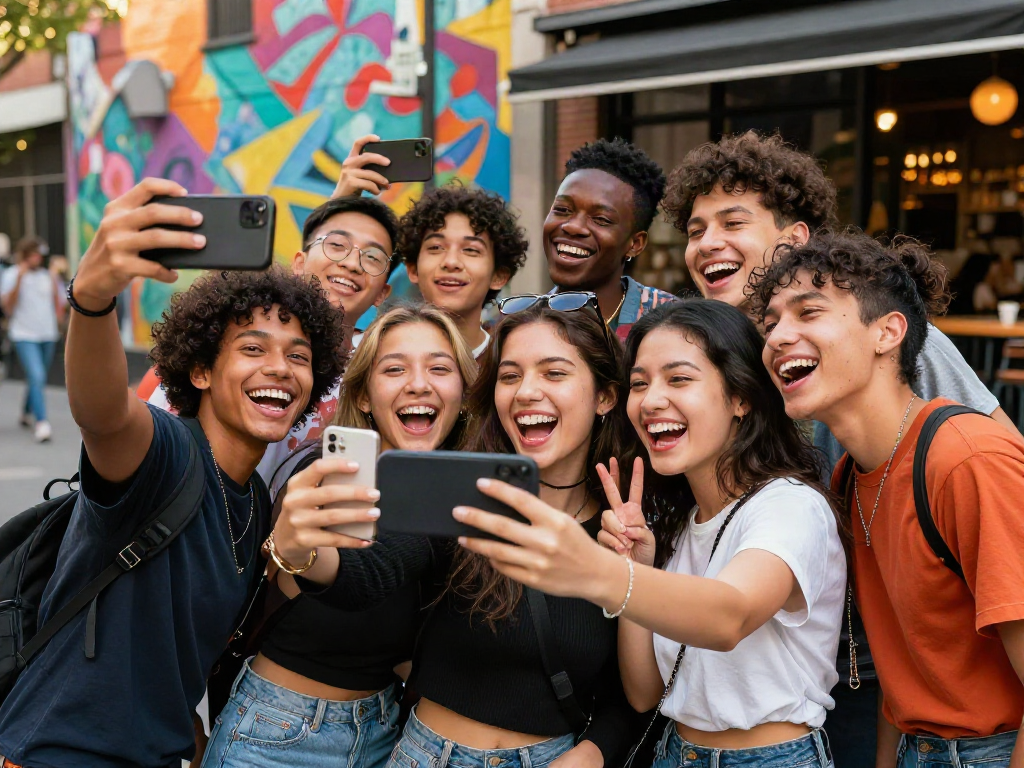
Social media platforms not only serve as a stage for personal expression but also as an arena for comparisons where individuals often scrutinize their appearances against curated images. The constant exposure to filtered and edited photos can warp our perception of normal aging. Users frequently wonder, "how old do I look," as they compare themselves to others, which can lead to insecurities about their age. Consequently, it is essential to approach these platforms with a balanced perspective, recognizing the impacts of digital enhancement on our self-image.
Age Estimation Technology: How Accurate Is It?
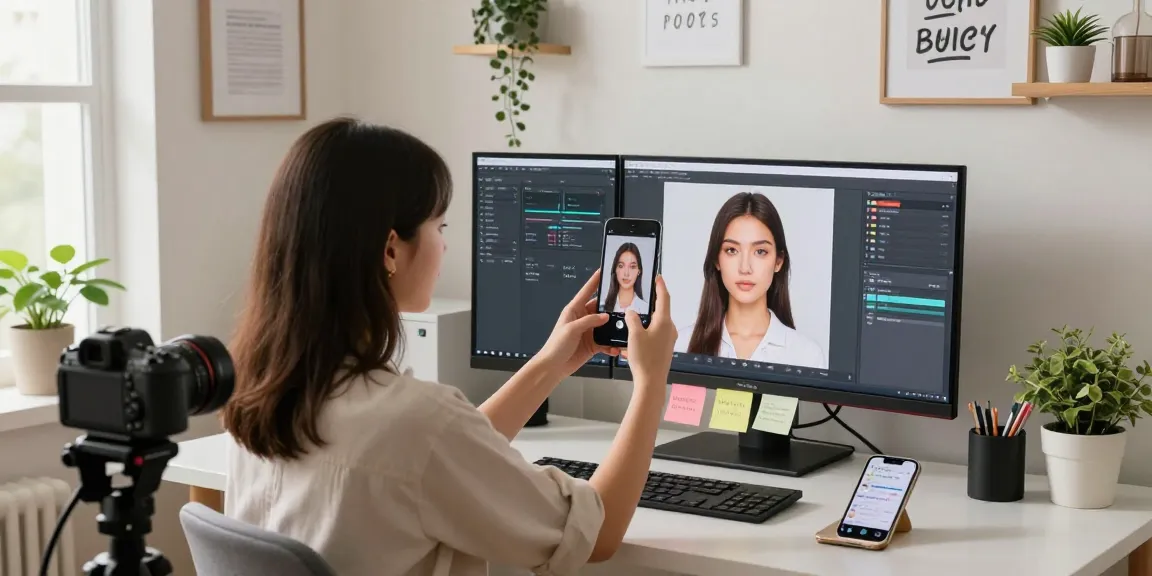
With various applications and online tools available to estimate age, many users may wonder about the accuracy of these technologies. Most age estimation tools function through algorithms that analyze facial structure, skin condition, and various age-related markers. However, while these AI-powered tools can provide insights, they are not infallible and often come with a margin of error. When exploring options, how old do I look provides comprehensive insights into such technologies, helping users understand the limitations and accuracy of these estimates.
Popular Age-Determining Apps for 2026
The landscape of age estimation applications is rapidly evolving. In 2026, several standout tools have emerged, offering unique features and user experiences tailored to different needs.
Comparative Analysis of Leading Age Estimation Tools
When comparing age estimation applications, several factors come into play, such as user interface, accuracy, privacy, and the complexity of algorithms. Applications like FaceAge.ai and Fotor have garnered attention for their ease of use, allowing users to upload photos and receive instant feedback regarding their perceived age. A comparative analysis reveals that while some tools excel in accuracy, others may prioritize user experience, which can influence a user's choice of app.
User Reviews: Which Apps Get It Right?
User feedback is essential for evaluating the effectiveness of age estimation apps. Many users report mixed experiences, with some praising the accuracy of their results while others express disappointment. The variance in user satisfaction highlights the subjective nature of beauty and age perception and emphasizes the importance of reading reviews to find the right app tailored to personal expectations.
Privacy Concerns: Secure Usage of These Apps
As with any digital tool that involves personal data, privacy remains a significant concern. Users should ensure that any app they choose to engage with adheres to strict privacy protocols, including data encryption and user anonymity. Knowing how and where your data is used is crucial in the age of information sharing, and it can lead to informed choices about which platforms to trust.
How to Interpret Age Feedback Effectively
Receiving feedback about how old you look can evoke various emotional responses, and it's crucial to approach this information with a degree of skepticism and self-reflection. Understanding the nuances of AI can aid in interpreting results constructively.
Understanding AI Limitations in Age Estimation
AI technologies are advancing but are not devoid of shortcomings. Limitations include the inability to consider individual lifestyle contexts, personal history, or emotional states that can affect appearance. Recognizing these limitations can prevent users from overvaluing the feedback they receive and can instill a healthier outlook on their self-image.
Common Misconceptions About Age Perception
Many individuals harbor misconceptions about the aging process itself, often thinking that age perception equates directly with beauty or worth. However, societal expectations can distort personal views. It's essential to challenge these misconceptions and understand that perceived age does not define an individual's value or attractiveness.
Emotional Responses to Age Feedback and Body Image
Feedback regarding perceived age can elicit emotional responses, influencing self-esteem and body image. Some may feel validated while others may experience insecurity or anxiety. Engaging in open discussions and fostering supportive environments can help individuals navigate these feelings and promote healthier self-perceptions.
Best Practices for Engaging with Age Estimation Tools
Engagement with age estimation tools can be a fun and enlightening experience. However, implementing best practices ensures that users gain the most benefits while maintaining a healthy outlook.
Tips for Using Age Estimation Apps Responsibly
- Limit the frequency of use to avoid obsessive behaviors.
- Use the feedback as a starting point for discussions around beauty and aging rather than a definitive measure of self-worth.
- Always prioritize privacy settings and understand how your data is handled.
How to Use Feedback to Enhance Self-Confidence
Feedback from age estimation tools can serve as valuable information, but it should not be the sole determinant of self-esteem. Incorporating positive feedback into a broader self-care routine can help reinforce a positive self-image. Engaging in activities that boost confidence—like physical exercise, hobbies, and socializing—can create a more fulfilling life irrespective of perceived age.
Creating a Positive Digital Interaction Environment
The digital environment can heavily influence perceptions of age and beauty standards. Creating a positive, supportive online community focused on self-acceptance and encouragement can lessen the negative impacts often presented in social media. Users are encouraged to follow accounts that promote real beauty and authenticity, dismantling the filtered narrative prevalent in today's society.
Future Trends in Age Estimation Technology
As we look ahead, the field of age estimation is likely to witness transformative advancements that could reshape our understanding of age.
Emerging Technologies to Watch in 2026
Emerging technologies such as augmented reality (AR) and advanced facial recognition systems may enhance the accuracy and scope of age estimation tools. These technologies can potentially analyze not just facial features but also emotional expressions, offering a more nuanced understanding of how individuals present their age.
How Cultural Trends Affect Age Perception
Cultural shifts continually influence how we perceive age. With the increasing celebration of aging gracefully in various cultures, there’s a shift towards acceptance and appreciation rather than the fear of aging. This cultural evolution encourages individuals of all ages to embrace their natural beauty and redefine what it means to "look" a certain age.
Long-Term Impact of AI on Beauty Standards and Self-Image
The integration of AI in age estimation raises questions about long-term effects on beauty standards. As these technologies grow more advanced, there's potential for skewed perceptions and unrealistic expectations. The challenge will be to integrate these technologies into our lives while fostering a culture of acceptance and self-love, allowing individuals to feel empowered regardless of the number associated with their face.