
The Evolution of Canarian News
In the picturesque Canary Islands, the media landscape has undergone significant transformations over the years, adapting to the changing needs and preferences of its diverse audience. With the islands’ rich history, vibrant culture, and unique demographics, Canarian news has carved a niche that resonates deeply with both locals and expatriates. In today's digital age, platforms like Canarian news have become pivotal in disseminating information swiftly and effectively.
History and Impact of Local Journalism
The roots of journalism in the Canary Islands can be traced back to the early 20th century when local newspapers began circulating in response to community needs. These publications often showcased regional pride and addressed local issues, setting the foundation for a resilient media culture. Over the decades, the advent of radio and television introduced new dimensions to news delivery, allowing for real-time engagement with audiences.
The impact of local journalism extends beyond just reporting; it has fostered a sense of identity among Canarians. By highlighting regional stories and issues, news outlets have encouraged civic engagement and community dialogue, which is crucial in maintaining the islands’ unique cultural heritage and traditions.
Key Players in the Canarian News Landscape
Several key players have emerged in the Canarian news landscape, serving diverse audiences and interests. Notable among them are Canarian Weekly and The Canary News, which operate primarily in English, catering to a significant expatriate community. These platforms not only cover news but also delve into cultural aspects, providing a comprehensive view of life in the Canary Islands.
Moreover, the rise of social media has given birth to new influencers and citizen journalists who contribute to the news ecosystem. Their unique perspectives and immediate reporting capabilities have diversified the types of news consumed in the islands, encouraging a more interactive form of journalism.
Adapting to Digital: The Shift in News Consumption
With the increasing penetration of smartphones and internet access, Canarian news outlets have had to adapt their strategies to fit a digital-first approach. This shift has seen traditional newspapers transitioning to online platforms, thus reaching a broader audience. The ability to present news through multimedia formats—videos, infographics, and podcasts—has transformed how stories are told and consumed.
This transition also allows for a greater focus on timely and urgent news, catering to an audience that demands instant updates. Consequently, digital news outlets have become vital in providing accurate, up-to-the-minute reporting on everything from local politics to cultural festivities.
Coverage of Local Festivals in Canarian News
Highlighting Cultural Events Across the Islands
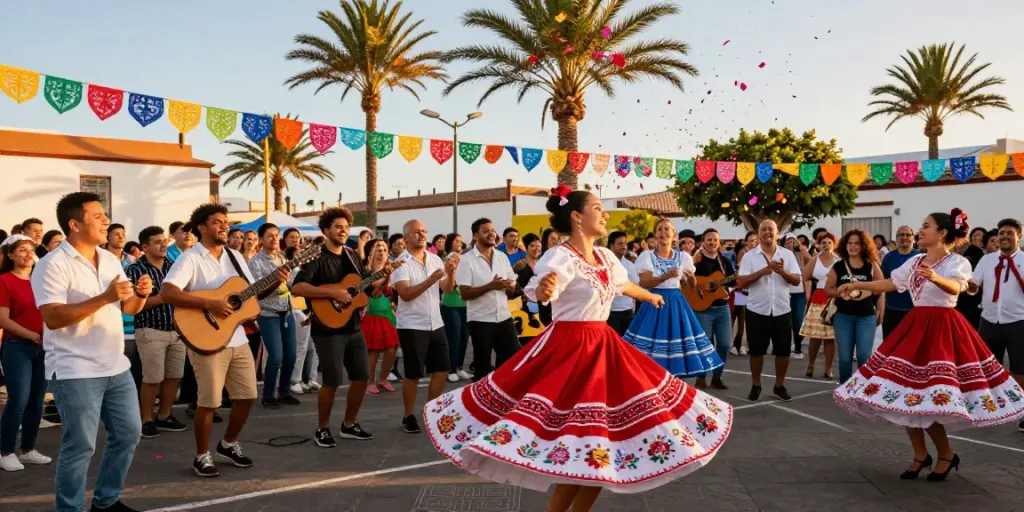
The Canary Islands are renowned for their lively festivals and cultural events, which are cornerstones of local identity. Canarian news plays a crucial role in amplifying these celebrations, showcasing not only the events themselves but also the cultural significance behind them. Festivals such as Carnival, held in Santa Cruz de Tenerife and Las Palmas, draw thousands of tourists and locals alike, and their coverage is essential to highlight the islands' vibrant culture.
Local news outlets often engage with community members to gather perspectives and insights on these events, offering a platform for voices that might otherwise go unheard. This connection strengthens community ties and fosters a sense of shared heritage among residents and visitors.
The Role of Photography in Storytelling
Visual storytelling has become an integral part of Canarian news coverage, especially concerning cultural events. The use of photography not only captures the essence of festivals but also evokes emotions that enhance the storytelling experience. Photographers often take center stage during major festivities, documenting candid moments that reflect the spirit of the celebrations.
By integrating high-quality images into articles, news outlets do not just inform but also inspire. Outstanding photography can transport readers into the heart of the action, providing a sensory experience that text alone cannot convey.
Community Engagement Through News Coverage
Community engagement is a pillar of effective local journalism. Canarian news outlets often interact with their audience through social media, inviting feedback and encouraging discussion on various issues. This interactive approach not only builds trust but also allows news organizations to tailor their content to meet the needs of their audience better.
Furthermore, community journalism initiatives are gaining momentum, where journalists collaborate with local residents to report on issues that matter most to them. This grassroots approach ensures that the news is not only relevant but also representative of diverse community perspectives.
Challenges Facing Canarian News Outlets
Competition with Global News Platforms
Despite the strides made in local journalism, Canarian news outlets face intense competition from global news platforms. The rise of giant media conglomerates and their ability to provide 24/7 news coverage poses challenges for local publishers who may lack the same resources. As a result, it is crucial for Canarian news to carve out a unique identity that differentiates it from broader news services.
Local journalists often have a deeper understanding of regional issues and can provide insights and context that larger organizations may overlook. By embracing these strengths, Canarian news can build loyalty among its audience, even in a crowded marketplace.
Maintaining Authenticity in Reporting
In an age of misinformation, maintaining authenticity in reporting is more important than ever for Canarian news. Journalists must adhere to strict ethical standards while ensuring that the stories they present are accurate and fair. This commitment to integrity not only fosters credibility but also strengthens the relationship between news outlets and their readers.
To combat fake news and sensationalism, local journalists often prioritize fact-checking and source verification, ensuring that their reporting remains trustworthy and balanced. This dedication and vigilance are necessary to cultivate a more informed public.
Adapting to Audience Needs and Preferences
The preferences of news consumers are constantly evolving. As such, Canarian news outlets must be agile and responsive to these changing dynamics. This might involve experimenting with new content formats, such as interactive articles, live updates during significant events, and personalized news feeds tailored to individual interests.
Engagement metrics and audience feedback should guide content strategies, ensuring that local journalism remains relevant and interesting to the community it serves.
The Future of Canarian News in 2026
Emerging Technologies in Journalism
The future of Canarian news is set to be influenced by emerging technologies that offer innovative ways to gather and disseminate information. Augmented reality (AR) and virtual reality (VR) are on the horizon, promising immersive news experiences that can transport audiences into the heart of stories, whether they relate to breaking news or local events.
Additionally, artificial intelligence (AI) is already beginning to play a role in news aggregation, helping outlets personalize content based on user preferences and past behavior, thus enhancing user experience.
Predicted Trends in Local News Consumption
As we look toward 2026, several trends in local news consumption are expected to take shape in the Canary Islands. Video content is likely to dominate, with more news organizations producing short, engaging video snippets for social media platforms to reach younger audiences.
Moreover, the trend toward subscription-based journalism may also gain traction, with readers willing to pay for quality, in-depth reporting that is pertinent to their lives and communities.
Potential Changes in Government Policies Impacting Media
Government policies surrounding media and journalism can significantly shape the landscape of Canarian news. Legislative shifts aimed at protecting press freedoms or addressing misinformation could influence how news is produced and consumed in the islands. Advocacy for transparency and media rights will remain essential as local outlets navigate potential regulations that may arise in the coming years.
FAQs about Canarian News
What is the role of social media in Canarian news?
Social media serves as a critical platform for Canarian news, allowing for rapid dissemination of information and enabling direct interaction between news outlets and their audiences. It amplifies news stories, engages followers, and fosters community discussion.
How can I support local journalism in the Canary Islands?
Supporting local journalism can be achieved through subscribing to local news outlets, sharing their content on social media, and providing feedback on their reporting. Engaging with local news helps maintain a vibrant media landscape.
What are the most reliable sources for Canarian news?
Some of the most reliable sources for Canarian news include Canarian Weekly, The Canary News, and various local radio stations and online platforms. It’s essential to cross-reference information and trust outlets with a strong reputation for accuracy and integrity.
How has Canarian news addressed recent social issues?
Canarian news has increasingly covered social issues such as immigration, tourism impacts, and environmental challenges. By addressing these concerns, local journalists contribute to the public discourse and promote community awareness and action.
Why is local news important for community awareness?
Local news fosters a sense of community and belonging by informing residents about local events, issues, and developments. It empowers citizens to engage in their community and participate in democratic processes.