Understanding the Landscape of Aerospace CNC Machining
The aerospace industry stands at the forefront of technological advancement, driven by the need for precision, safety, and efficiency. Central to this evolution is CNC machining, a process that has revolutionized the way aerospace components are crafted. With a history rooted in the demands of aerodynamics and engineering complexity, CNC machining offers the ability to produce high-quality parts that meet stringent regulatory standards. As we delve into the intricacies of aerospace machining, leading aerospace cnc parts manufacturers play a pivotal role in ensuring that innovation meets reliability in every project.
Overview of Aerospace Manufacturing Trends
As the aerospace sector continues to expand, driven by increased passenger air travel and advancements in space exploration, manufacturers are embracing innovations that enhance operational efficiencies. Key trends include the integration of smart manufacturing technologies, which utilize IoT and AI for real-time data analysis, improving decision-making processes. Furthermore, manufacturers are adopting additive manufacturing alongside traditional CNC machining, allowing for rapid prototyping and cost-effective production methods.
The Role of CNC Machining in Aerospace Production
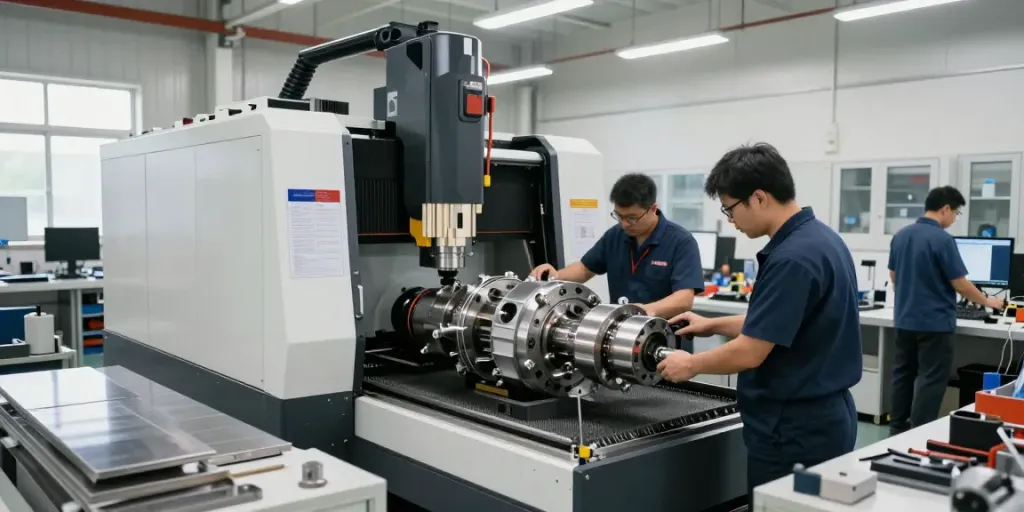
CNC machining serves as a cornerstone in aerospace production, providing unparalleled precision and repeatability. Parts such as turbine blades, brackets, and housings require intricate designs that can only be achieved through advanced machining techniques. The ability to automate these processes means that manufacturers can maintain high levels of quality while minimizing waste, ultimately leading to more sustainable practices in the industry.
Key Materials Used in Aerospace CNC Machining
The selection of materials is critical in aerospace manufacturing, where factors such as weight, strength, and thermal resistance come into play. Commonly used metals include:
- Aluminum Alloys
- Titanium Alloys
- Cobalt Alloys
- Stainless Steel
- Nickel Alloys
In addition to metals, various plastic materials like Polycarbonate (PC), Polypropylene (PP), and Polyether ether ketone (PEEK) are also employed where lightweight components are necessary, showcasing the versatility of CNC machining in fabricating diverse parts suitable for different applications.
Common Challenges Faced by Aerospace Manufacturers
While the benefits of CNC machining are evident, manufacturers in the aerospace industry frequently encounter several hurdles that can hinder production efficiency and product quality.
Pitfalls in Material Selection
Choosing the right materials for aerospace components is a nuanced task. Utilizing materials that are too heavy can compromise fuel efficiency, whereas lighter materials might not offer the necessary strength for safety-critical components. Manufacturers must navigate these trade-offs carefully to ensure that their products meet all regulatory and performance standards.
Maintaining Quality Standards
Quality assurance is indispensable in aerospace manufacturing. The risk of failure in flight can have catastrophic consequences, thus stringent testing and validation processes are in place. Compliance with industry standards such as AS9100 ensures that manufacturers consistently meet quality benchmarks. Companies must invest in rigorous inspection methods, often integrating advanced technologies such as automated optical inspection to enhance accuracy.
Managing Production Costs Efficiently
As competition intensifies, managing production costs without compromising quality is critical. Lean manufacturing techniques and the application of just-in-time (JIT) inventory systems have emerged as effective strategies. These methodologies help in reducing waste and optimizing resource allocation, allowing manufacturers to remain competitive in a global market.
Best Practices for CNC Machining in Aerospace
To overcome challenges and maximize the potential of CNC machining, aerospace manufacturers should adopt best practices that align with industry standards and customer expectations.
Implementing Advanced Technology
The fast-paced evolution of technology presents opportunities for aerospace manufacturers to enhance their CNC machining capabilities. Automation, robotics, and AI are becoming mainstream in machine operations, facilitating faster production cycles and enhanced precision.
Creating a Skilled Workforce
As technology advances, so does the need for a skilled workforce capable of managing complex machining processes. Training programs that focus on both traditional machining skills and modern technological competencies are essential. Companies should partner with educational institutions to cultivate talent tailored to industry demands.
Streamlining the Prototyping Process
Rapid prototyping is vital in aerospace, where iterative design processes can significantly reduce time to market. Techniques like 3D printing combined with CNC machining allow for swift production of prototypes, enabling engineers to test and modify designs with agility. This iterative approach fosters innovation and responsiveness to market needs.
Real-World Applications of Aerospace CNC Machined Parts
Aerospace CNC machined parts are integrated into a multitude of applications, showcasing the versatility and necessity of precision engineering within the industry.
Case Study: Successful Aerospace Projects
One notable example is the manufacturing of turbine engine components, which demand precision and reliability. Companies that have implemented CNC machining techniques achieved significant improvements in part performance and durability, leading to enhanced engine efficiency and safety in flight operations.
Innovations in Aerospace Component Design
Innovative designs in aerospace components, such as lightweight structures using advanced composites, have been made possible through CNC machining technology. This approach not only reduces weight but also improves fuel efficiency and performance, adhering to the industry's push for sustainable practices.
Feedback from Aerospace Engineers and Teams
Engagement with engineering teams has shown that the shift towards CNC machining has greatly enhanced project timelines and part reliability. Many engineers report that the precision offered by CNC machines minimizes errors during the production phase, thereby decreasing the need for reworks and enhancing overall productivity.
The Future of Aerospace CNC Machining
The landscape of aerospace CNC machining is evolving rapidly, driven by advancements in technology and the industry's growing emphasis on sustainability.
Emerging Trends to Watch in 2026
As we look towards 2026, major trends include the expansion of additive manufacturing techniques, which are increasingly being integrated with traditional CNC processes. The synergy between these technologies promises to unlock new potential in creating complex geometries and reducing material waste.
Impact of AI and Automation on Production
AI and automation will play a significant role in optimizing machining processes, from predictive maintenance of machines to intelligent scheduling systems. This not only increases efficiency but also reduces downtime, making CNC machining more cost-effective in the long run.
Preparing for Sustainable Practices in Manufacturing
The aerospace industry is under pressure to adopt sustainable manufacturing practices. Future CNC machining processes are likely to focus on eco-friendly materials and energy-efficient operations, contributing to the global effort of reducing carbon footprints.
Frequently Asked Questions
What are the leading aerospace CNC parts manufacturers?
Leading aerospace CNC parts manufacturers include companies that consistently deliver high-quality, precision-engineered components tailored to meet specific aerospace requirements. Collaboration and innovation remain essential in defining market leaders.
How can manufacturers avoid costly mistakes in CNC machining?
Manufacturers can minimize errors by investing in training for their workforce, implementing stringent quality control measures, and selecting the appropriate materials for their specific applications.
What materials are most commonly used in aerospace CNC projects?
The most commonly used materials include aluminum, titanium, stainless steel, and performance plastics, each selected for their unique properties that contribute to the efficiency and safety of aerospace applications.
What technologies are shaping the future of aerospace CNC machining?
Technologies such as AI, IoT, and advanced robotics are revolutionizing CNC machining, enabling manufacturers to optimize processes, enhance precision, and increase production speeds.
How does quality assurance impact aerospace manufacturing?
Quality assurance is crucial in aerospace manufacturing as it ensures compliance with industry standards and enhances safety, thereby minimizing the risks associated with part failures during flight.