The Fascination with Celebrity Doppelgängers
In a world captivated by fame and recognition, the concept of celebrity look alikes has become a fascinating cultural phenomenon. From doppelgängers spotted on the streets to social media posts that grab the attention of millions, the allure of finding someone who resembles a famous personality is undeniable. This intrigue is deeply rooted in our psychology and societal trends, influencing how we perceive both celebrities and ourselves. For those curious about look alikes of famous people, exploring these connections can be both entertaining and thought-provoking.
Understanding the Appeal of Look Alikes of Famous People
The allure of look alikes stems from a unique blend of admiration and fascination with celebrity culture. People often find comfort in associating with the familiar faces of celebrities they admire. This phenomenon can evoke feelings of relatability, as individuals see a reflection of themselves in these doppelgängers. Furthermore, look alikes serve as a reminder of the diverse interpretations of beauty and identity, showcasing how individuals can simultaneously maintain their uniqueness while echoing the looks of famous figures.
The Psychology Behind Celebrity Culture
Psychological studies indicate that our fascination with celebrity look alikes taps into the concept of social identity theory, where people derive self-esteem from their association with well-known figures. This connection can lead individuals to seek out their own celebrity twins, which can be a source of joy and validation. Moreover, the phenomenon highlights our innate desire for social comparison, driving engagement in discussions around prominent figures and their counterparts.
Historical Context of Celebrity Look Alikes
Historically, look alikes have been a part of popular culture, with references dating back to ancient times where individuals mimicked the looks of royalty or celebrated figures to capitalize on their fame. Throughout history, look alikes have found roles as impersonators, actors, and entertainers, playing off the fascination that societies have had with celebrities. With the advent of film and television, the phenomenon saw a resurgence, as fans began to search for likenesses among ordinary people in their communities.
Types of Celebrity Look Alikes
Famous Look Alikes in Pop Culture
Pop culture is rife with examples of famous look alikes that have captured the public's imagination. For instance, the uncanny resemblance between actors like Margot Robbie and Jaime Pressly has sparked countless social media discussions. These comparisons often lead to viral trends where fans share images and create "twin" challenges, further cementing this phenomenon in popular culture.
Uncommon Look Alikes: Beyond the Spotlight
While many look alikes are celebrated in mainstream media, there exists a plethora of lesser-known doppelgängers who share striking similarities with celebrities. These individuals often gain attention through platforms like Reddit or Instagram, where users celebrate their uncanny resemblances, often leading to surprise revelations about their identities and backgrounds.
Look Alikes from Different Backgrounds and Cultures
This phenomenon is not limited to any single demographic; in fact, look alikes can be found across all stages of life, ethnic backgrounds, and cultures. The unique blend of genetics and environmental factors contributes to diverse interpretations of familiar faces. For example, renowned celebrity chefs may have look alikes in different culinary traditions, which celebrates both multiculturalism and the universal appeal of certain traits.
The Impact of Social Media on Celebrity Look Alikes
How Platforms Influence Perceptions of Look Alikes
Social media has transformed how we perceive and celebrate look alikes. Platforms like Instagram and TikTok have paved the way for user-generated content, where individuals share their own doppelgänger encounters. This surge of content has not only increased visibility but has also fostered communities centered around shared experiences, allowing fans to connect over their mutual fascination.
The Role of Viral Content in Shaping Celebrity Culture
Viral content often plays a pivotal role in shaping perceptions of celebrity look alikes. Memes and videos showcasing doppelgängers can rapidly circulate, challenging traditional notions of celebrity and beauty. As this content reaches wider audiences, it cultivates a culture where look alikes are celebrated rather than merely compared—a shift that emphasizes individuality and uniqueness.
Emerging Trends in User-Generated Content
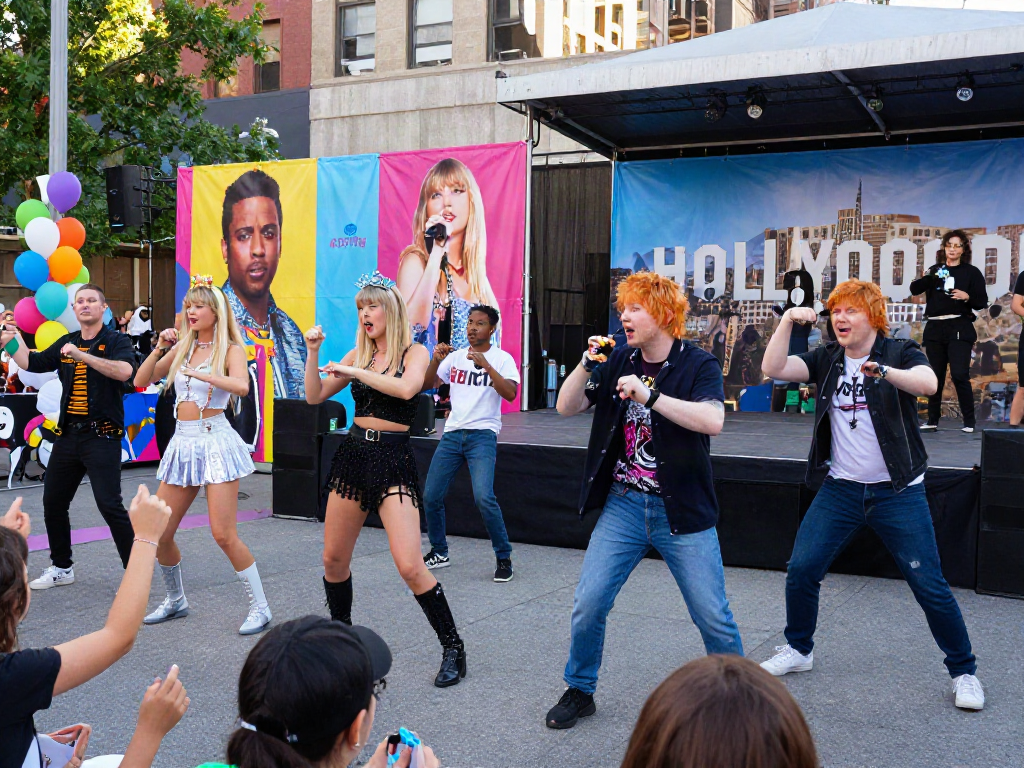
Emerging trends indicate a growing acceptance and embrace of celebrity look alikes as forms of artistic expression. From makeup tutorials that help individuals recreate celebrity looks to TikTok pages dedicated to finding and sharing doppelgängers, user-generated content is influencing the way we view celebrity culture. This shift towards inclusivity and personal expression is redefining what it means to be a look alike of famous people.
Celebrating Individuality: The Drawbacks of Celebrity Comparisons
Challenges Faced by Look Alikes of Famous People
Despite the fun and excitement surrounding celebrity look alikes, there are challenges associated with being compared to famous individuals. For many, constant comparison can lead to feelings of inadequacy or pressure to conform to certain standards. Additionally, look alikes may feel objectified, as their identities become overshadowed by their resemblance to a celebrity, complicating their own sense of self.
Addressing Stereotypes and Misconceptions
Celebrity comparisons can perpetuate stereotypes and misconceptions. The idea that look alikes must fit a specific image or lifestyle can be damaging, often excluding those who do not conform to mainstream beauty standards. Addressing these stereotypes is essential to ensure that discussions surrounding look alikes celebrate diversity and individuality rather than reinforce harmful notions.
Finding Authenticity in a World of Imitation
In a landscape dominated by comparisons, finding authenticity amidst imitation is vital. Individuals should embrace their uniqueness and personal narratives rather than striving to mirror someone else. This approach can foster a culture that appreciates the beauty in diversity while encouraging people to share their stories without fear of judgment.
Future Trends: Celebrity Look Alikes in 2026 and Beyond
Technological Advancements and Their Influence
As we look toward the future, technological advancements will inevitably shape the landscape of celebrity look alikes. Artificial intelligence and deepfake technology may redefine how we understand and interact with the concept of doppelgängers. These technologies have the potential to merge identities and create entirely new layers of complexity in the way we perceive resemblance.
Changing Dynamics of Fame and Recognition
The dynamics of fame are continually evolving, influenced by social media and shifting audience expectations. Future generations may increasingly draw comparisons between themselves and the stars through augmented reality platforms, thereby personalizing interactions with celebrities even further. As a result, the line between reality and illusion may blur, complicating our understanding of what it means to be a celebrity look alike.
Speculating on New Cultural Phenomena
As society progresses, there will likely be new cultural phenomena that reshape the understanding of celebrity look alikes. The rise of virtual influencers and avatars raises questions about identity and the essence of fame itself. These developments will challenge traditional notions of celebrity, stressing the importance of authenticity and personal narratives in the quest for recognition.
Who are some celebrity look alikes?
Celebrity look alikes often include actors, musicians, and social media influencers who bear striking resemblances to well-known figures. Examples range from doppelgängers like Lucy Hale resembling Selena Gomez to Jack Black being likened to the beloved character Shrek. As fascination with these subjects persists, it's clear that examples of look alikes will continue to emerge across various platforms.
Why do people seek to find their celebrity doppelgangers?
People may seek out their celebrity doppelgangers for several reasons, including the desire for social connection, validation of personal identity, and simply for entertainment. The fun of discovering a resemblance can spark joy and camaraderie, often leading to the sharing of stories and experiences among fans.
What are some examples of look alikes?
Examples of look alikes can include unexpected pairings, such as actor John C. Reilly and comedian and actor Chris Farley, both of whom have similar facial features and comedic styles. The public often enjoys identifying more offbeat similarities, highlighting the diverse interpretations of resemblance.
How has social media changed perceptions of celebrity look alikes?
Social media has democratized the conversation around celebrity look alikes, allowing ordinary individuals to gain recognition for their similarities to famous personalities. Platforms like TikTok have facilitated viral trends, offering a space for users to share their doppelgänger encounters, thereby reshaping perceptions and expanding the conversation beyond traditional media outlets.
Are look alikes of famous people a form of art or flattery?
The debate around whether look alikes represent art or flattery hinges on perspective. For some, mimicking a celebrity can be a form of admiration, while for others it may be viewed as a lack of originality. Ultimately, the appreciation for look alikes can serve as a form of artistic expression and cultural commentary, challenging traditional standards of beauty and identity.