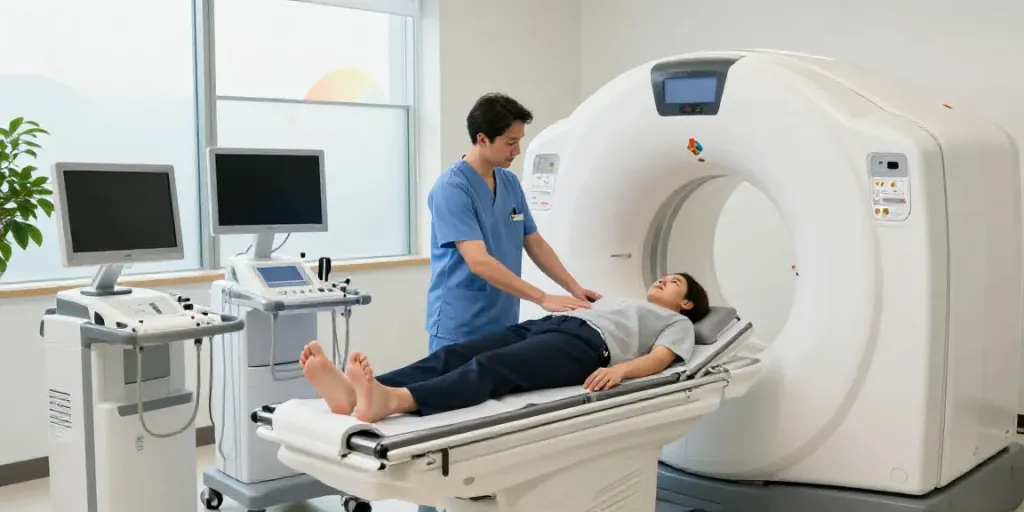
Understanding Cancer Precision Medicine
Cancer precision medicine, an innovative approach to cancer treatment, focuses on tailoring therapies based on the unique genetic makeup of each patient’s tumor. By analyzing genetic information, clinicians can identify specific mutations and characteristics that drive cancer growth, allowing for more targeted and effective treatment options. This evolution in cancer care not only enhances the efficacy of treatments but also minimizes unnecessary side effects associated with traditional one-size-fits-all approaches. When exploring options, Cancer precision medicine provides comprehensive insights into how personalized therapies can transform outcomes for cancer patients.
What is Cancer Precision Medicine?
Cancer precision medicine, often referred to as personalized or targeted therapy, utilizes data from genetic testing, tumor profiling, and other biomarker analyses to dictate the most appropriate treatment plans for patients. Unlike conventional cancer treatments that rely on generalized protocols, precision medicine aims to offer a customized therapeutic approach. This method is grounded in the understanding that each cancer is biologically unique and responds differently to various treatments.
The Importance of Genetic Profiling in Cancer Treatment
Genetic profiling plays a pivotal role in cancer precision medicine. By sequencing the DNA of a patient’s tumor, healthcare practitioners can identify specific genetic mutations that may be responsible for the cancer’s growth. These insights not only inform treatment decisions but also enable the development of new drugs that target these mutations directly. The ability to match therapies with the underlying genetic architecture of a tumor represents a significant shift in oncology, leading to improved patient outcomes.
Key Innovations Shaping Cancer Precision Medicine
- Next-Generation Sequencing (NGS): This technology allows for the comprehensive analysis of multiple genes simultaneously, providing a deeper understanding of the mutation landscape within tumors.
- Biomarker Discovery: Continuous research into biomarkers enhances the ability to predict treatment responses and resistance patterns, promoting the development of effective targeted therapies.
- Artificial Intelligence (AI): AI algorithms analyze vast datasets from clinical trials and patient records to identify trends and optimal treatment pathways, facilitating faster decision-making.
Challenges in Implementing Cancer Precision Medicine
Common Misconceptions about Precision Medicine
Despite its potential, misconceptions about cancer precision medicine persist. Many individuals believe that precision medicine is only for certain types of cancers or that it guarantees a cure—neither of which is universally true. Precision medicine enhances treatment but does not ensure success for every patient. Additionally, the availability of genetic testing remains limited in certain regions, which can lead to misinformation and unequal access to care.
Barriers to Access for Patients
Access to cancer precision medicine often faces significant roadblocks, including high costs of genetic testing and targeted therapies, as well as disparities in healthcare access based on geography and socioeconomic status. Patients in rural areas, or those without comprehensive health insurance, may have limited options for receiving the necessary tests and treatments. Furthermore, healthcare providers may vary in their knowledge and experience regarding these advanced treatment modalities, which can impede implementation.
Integrating Genomic Data into Clinical Practice
Successfully integrating genomic data into clinical workflows is essential for the effective application of cancer precision medicine. Healthcare systems must adopt comprehensive electronic health records that incorporate genetic information and clinical data. This integration facilitates a multidisciplinary approach, where oncologists, genetic counselors, and other specialists collaborate to design personalized treatment strategies based on genomic insights.
Best Practices for Utilizing Cancer Precision Medicine
Strategies for Effective Patient Assessment
To optimize the benefits of cancer precision medicine, a thorough and systematic patient assessment is essential. This assessment should include detailed medical histories, physical examinations, and comprehensive genetic counseling. In addition, understanding the patient's preferences and values regarding treatment options plays a crucial role in decision-making.
Choosing the Right Therapeutic Approaches
Choosing the appropriate therapeutic approach involves matching the identified genetic mutations with targeted therapies. Clinicians should stay informed about the latest research and clinical trials that explore new drug combinations and treatment protocols. Participation in clinical trials may also provide patients with access to cutting-edge therapies that are not yet widely available.
Monitoring and Evaluating Treatment Efficacy
Continuous monitoring of treatment efficacy is vital in cancer precision medicine. This includes regular imaging studies and laboratory tests to assess tumor response and detect recurrence. By evaluating treatment outcomes, healthcare providers can make informed decisions about altering or maintaining treatment plans, thereby ensuring maximum benefits for patients.
Real-World Applications of Cancer Precision Medicine
Success Stories in Personalized Cancer Treatment
Numerous case studies demonstrate the transformative potential of cancer precision medicine. For example, patients with non-small cell lung cancer (NSCLC) have benefited from targeted therapies such as EGFR inhibitors, which have dramatically improved survival rates for those whose tumors possess specific mutations. Such success stories highlight the importance of personalized treatment plans tailored to the individual genetic profiles of patients.
Case Studies of Treatment Customization
In one notable case, a patient diagnosed with metastatic breast cancer underwent comprehensive genomic profiling, revealing an actionable mutation targetable by a novel therapy. This personalized approach led to a significant reduction in tumor size and extended survival, showcasing the promise of tailored treatment strategies.
The Role of Biomarkers in Therapy Selection
Biomarkers are crucial in guiding therapy selection in precision medicine. They help identify patients who are most likely to respond to specific treatments, sparing those who would not benefit from ineffective therapies. For instance, the presence of the HER2 biomarker in breast cancer patients informs the use of targeted therapies that can significantly enhance treatment outcomes.
Future Trends in Cancer Precision Medicine
Emerging Technologies in Cancer Treatment
The landscape of cancer treatment is rapidly changing, driven by innovations in technology. Emerging techniques such as liquid biopsies are set to revolutionize how oncologists monitor tumor dynamics and response to treatment by detecting circulating tumor DNA in the bloodstream.
The Evolution of Patient-Centric Approaches
As the field of cancer precision medicine evolves, a patient-centric approach becomes increasingly important. Engaging patients in their treatment decisions fosters empowerment and adherence to prescribed therapies. This shift demands effective communication strategies, where healthcare providers educate patients on the potential benefits and risks associated with precision medicine.
Predictions for Cancer Precision Medicine by 2026
Looking towards 2026, the field of cancer precision medicine is expected to witness significant advancements. We anticipate broader implementation of genomic testing, leading to an increase in the availability of tailored treatments. Furthermore, regulatory bodies may begin to streamline processes for approving novel therapies, ensuring that patients have quicker access to innovative options that could enhance their survival and quality of life.
What is the most effective treatment type in cancer precision medicine?
The effectiveness of treatment types in cancer precision medicine varies depending on the specific mutations present in the tumor. However, targeted therapies that address specific genetic aberrations tend to yield the best outcomes for patients when compared to conventional chemotherapy.
How does genetic testing influence cancer treatment?
Genetic testing influences cancer treatment by identifying specific genetic mutations that can be targeted with precision therapies. This personalization allows oncologists to select the most effective treatments while minimizing side effects associated with alternatives that may not be suitable for the patient’s specific cancer profile.
What are the side effects of precision medicine?
While precision medicine aims to reduce side effects by targeting specific mutations, patients may still experience adverse reactions, including allergic responses to medications, fatigue, and organ-specific toxicities. Thorough discussions regarding potential side effects are essential as part of the treatment planning process.
Can all cancer patients benefit from precision medicine?
Not all cancer patients may benefit from precision medicine, as the effectiveness of treatment is contingent upon the presence of actionable mutations. However, advancements in genomic profiling continue to expand the number of patients who can be matched with appropriate therapeutic strategies.
What is the cost of implementing cancer precision medicine?
The cost of implementing cancer precision medicine can be significant, encompassing expenses related to genetic testing, targeted therapies, and ongoing monitoring. However, the potential benefits such as improved outcomes and reduced overall treatment costs can justify these initial investments.